
Chengdu Panda Base: When Is the Best Time to See Pandas — and Can You Still Hold One?
Chengdu Panda Base: Best Time to Visit, Tickets & Tips

If you are planning a trip to China in 2026, chances are one image is already in your head: a panda, sprawled on its back, munching bamboo without a care in the world. That image is why the Chengdu Research Base of Giant Panda Breeding is one of the most visited attractions in western China — and also why visiting it without a plan can mean fighting through crowds to see a panda sleeping 30 meters away.
The good news? Seeing pandas "do things" — eating, climbing, tumbling — is almost entirely a matter of timing. Here is everything foreign visitors need to know, from opening hours and tickets to the honest truth about holding a baby panda.
What Is the Best Time of Day to See Pandas?
Arrive at opening time. This is the single most important tip.
- The base typically opens around 7:30 AM, and the gate queue starts well before that.
- Pandas are most active in the early morning, when keepers put out fresh bamboo. Between roughly 8:00 and 10:00 AM you will see feeding, climbing, and play fighting.
- By late morning, most pandas have eaten and retired to shaded platforms — or indoors with air conditioning — to sleep for the rest of the day.
- After 11:00 AM, expect to photograph a lot of fur-colored lumps. Charming, but static.
A practical plan: be through the gate by 8:00 AM, walk straight to the adult panda enclosures first (many visitors get distracted at the entrance and lose an hour), then loop back to the nursery/red panda area as the crowds build.
Which Season Is Best for the Chengdu Panda Base?
Pandas are cold-weather animals, so seasons matter as much as hours:
Mar–May (spring) — Verdict: ✅ Excellent
- Panda activity: High — mild weather, active feeding
- Crowds: Moderate
Jun–Aug (summer) — Verdict: ⚠️ Workable, go very early
- Panda activity: Low — pandas retreat to AC rooms by mid-morning
- Crowds: Moderate; humid heat for visitors
Sep–Nov (autumn) — Verdict: ✅ Best overall
- Panda activity: High — cool air, and newborn panda cubs appear in the nursery (births peak Aug–Sep)
- Crowds: Moderate
Dec–Feb (winter) — Verdict: ✅ Underrated choice
- Panda activity: Surprisingly high — pandas love cold, activity stays strong all day
- Crowds: Low
Oct 1–7 (Golden Week) — Verdict: ❌ Avoid
- Panda activity: — (can't enjoy it anyway)
- Crowds: Extreme domestic crowds
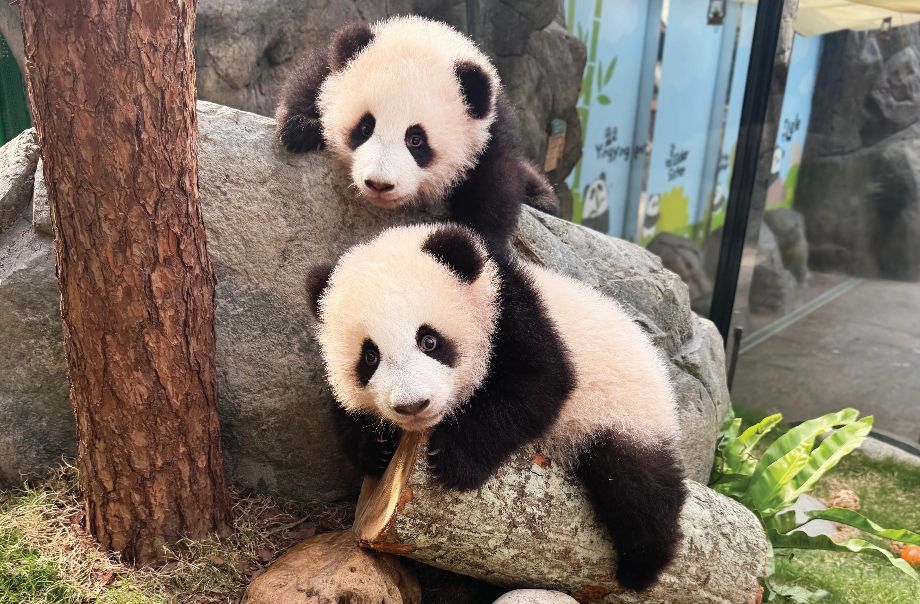
One bonus of autumn: August and September are peak birthing months, so the sunflower nursery often has tiny pink-and-black cubs in incubators — a sight most first-time visitors don't even know exists.
How Much Are Tickets, and When Is the Base Open?
- Opening hours: roughly 7:30 AM–6:00 PM (last entry around 5:00 PM); hours can shift seasonally, so confirm on the official ticketing platform before your visit.
- Ticket price: about 55 CNY per adult (≈ US$8), with discounts for students and seniors. Prices are lower than most visitors expect — the real cost is time and logistics.
- How long to stay: 2–3 hours is plenty for a first visit; photographers can easily spend half a day.
- Booking: tickets are sold online with real-name registration (passport). Foreign card payments on Chinese ticketing apps can fail — a tour operator or hotel front desk can usually book it for you.
How Do You Avoid the Crowds?
The base receives tens of thousands of visitors on peak days, but crowds are concentrated:
- Enter at 7:30–8:00 AM. By 10 AM the main paths are shoulder-to-shoulder.
- Skip Mondays and weekends if you can; weekdays outside Chinese public holidays are noticeably calmer.
- Head to the outer enclosures first — the giant panda houses deeper in the park open earlier to dense crowds than the red pandas and nursery.
- Use the sightseeing shuttle (around 20 CNY) if mobility or time is limited — the base is bigger than most people expect, with long uphill stretches.
- Avoid Golden Week (Oct 1–7) and Chinese New Year entirely if your dates are flexible.
Can You Hold a Baby Panda in 2026?
Here is the honest answer most blogs won't give you: no — not at the Chengdu Panda Base itself. The base ended its paid "panda holding" experience years ago, and today it functions as a conservation and research facility rather than an interactive zoo. Anything promising you a photo cuddling a panda at the base should be treated with suspicion.
What still exists in limited form is different:
- Volunteer/keeper programs (historically at the Dujiangyan and Wolong centers outside Chengdu) occasionally allow participants to prepare food and clean enclosures near pandas, with strict limits and no holding of animals. These programs have opened and paused repeatedly in recent years, so availability in 2026 must be verified directly — through a licensed operator, not a random reseller.
- Viewing newborn cubs in the nursery at the Chengdu base is free with your ticket in autumn, and comes much closer to the "baby panda moment" than most travelers realize.
Anyone selling guaranteed panda-holding is either outdated or misleading — a red flag worth remembering when choosing a tour.
How Do You Get There, and Is a Tour Worth It?
The base sits about 10 km northeast of central Chengdu. Options:
- Metro Line 3 to Panda Avenue station, then a shuttle bus — cheap, but adds 30–45 minutes and won't get you there at 7:45 AM easily.
- Taxi/Didi — around 30–40 minutes from downtown; fine in the morning, harder to hail back at noon.
- A guided half-day tour — the option most visitors with limited time end up choosing, because it guarantees the early arrival that actually matters. A typical half-day private panda base tour includes hotel pickup before 7:30 AM, tickets, and a guide who knows which enclosures have active pandas that day.
- Combination day tours — pairing the panda base with the Sanxingdui Museum (bronzes from a mysterious 3,000-year-old civilization) makes an efficient full-day Chengdu itinerary for travelers who only have one day in the city.
If you are building a Chengdu stop into a longer China trip, a local operator such as 71ASIA TOURS runs the half-day private panda base tour, a Sanxingdui + Panda Base combination day tour, and other Chengdu experiences (Qingcheng Mountain, Dujiangyan, evening walking tours) with English- and Spanish-speaking guides and hotel pickup — which conveniently solves both the early-morning transfer and the ticketing headache in one booking.
FAQ: Chengdu Panda Base Quick Answers
Q: How early should I arrive at the Chengdu Panda Base?
A: By 8:00 AM at the latest. Panda activity peaks between 8:00 and 10:00 AM when fresh bamboo is delivered; after 11 AM most pandas are asleep.
Q: How much is a ticket to the Chengdu Panda Base?
A: Around 55 CNY (≈ US$8) for adults. Tickets require real-name booking with a passport; foreign payment cards may not work on Chinese apps, so consider booking through a hotel or tour operator.
Q: Can tourists hold a panda in Chengdu?
A: Not anymore. The Chengdu base discontinued holding experiences; conservation volunteer programs near Chengdu exist but are limited and change year to year. Viewing cubs in the autumn nursery is the best alternative.
Q: What's better, morning or afternoon?
A: Morning, decisively. Afternoon visits almost guarantee sleeping pandas, especially in summer.
Q: How many hours do I need at the panda base?
A: Two to three hours for a standard visit, or up to half a day if you want the nursery, red pandas, and all the main enclosures.