

{{colección_de_páginas_dinámicas.título}}
5 días
Intermedio
{{colección_de_páginas_dinámicas.extracto}}
¿Qué incluye?
Transportation:
Regular tourist buses: 7-26 seats (If the number of tourists in Lhasa is less than 4, the tour guide will take the guests by taxi – the travel agency will pay the taxi fare).
Group tours for individual travelers may involve changes in vehicles and tour guides; your understanding is appreciated.
Tibet's overall reception capacity is relatively limited; regular tourist buses are generally older and in worse condition than those in inland cities.
Tibet has a high altitude; most tourist buses do not have air conditioning or do not use air conditioning (using air conditioning can slow down the vehicle, and the temperature difference between the inside and outside can easily cause colds).
There are speed limits on roads in Tibet (e.g., a certain speed limit for a certain distance). (The journey time is less than 2 hours), so stops will be randomly selected for rest and waiting. Please be aware of this.
For group tours, other tourists will be picked up from different hotels before departure, resulting in waiting times. Please be punctual. Vehicle allocation will be based on the number of participants. If a tourist cancels their trip, the fare will not be refunded.
Luggage allowance: Due to Tibet's high altitude, excessive luggage can cause insufficient power and slow vehicle movement, affecting passenger comfort. Each person is limited to one 26-inch suitcase and one carry-on backpack. The tour guide will inform tourists in advance to store excess luggage at the Lhasa hotel reception.
Hotels throughout the trip:
Double rooms (standard rooms) are provided (single rooms, i.e., rooms with double beds, are not guaranteed; no bed is provided, and breakfast is not included).
If there are single men or women in the group, the travel agency reserves the right to arrange triple rooms, shared rooms, or require the traveler to pay the single room supplement, depending on the actual situation.
For group tours, hotels are fixed and arranged by the travel agency. Please understand that we cannot accept requests for specific hotels.
Meals:
Breakfast is included in all hotels. One complimentary specialty meal is provided (no refund if not eaten): Lhasa specialty meal (Tibetan or Nepalese).
Other meals are at your own expense; no refund will be given for meals missed due to personal reasons. Those who are not accustomed to Tibetan cuisine may bring their own snacks. The tour guide reserves the right to change dinner to lunch during the trip, while maintaining the total number of complimentary meals.
Tour guide service:
Chinese, English, or bilingual (Chinese and English) tour guides
For group tours, the travel agency will arrange a tour guide speaking the appropriate language based on availability. If there are both native Chinese-speaking and native English-speaking travelers on the same vehicle, we will arrange a bilingual (Chinese and English) tour guide service. Thank you for your understanding.
For group tours, there is a possibility of changes in tour guides and vehicles. Thank you for your understanding.
Attraction tickets:
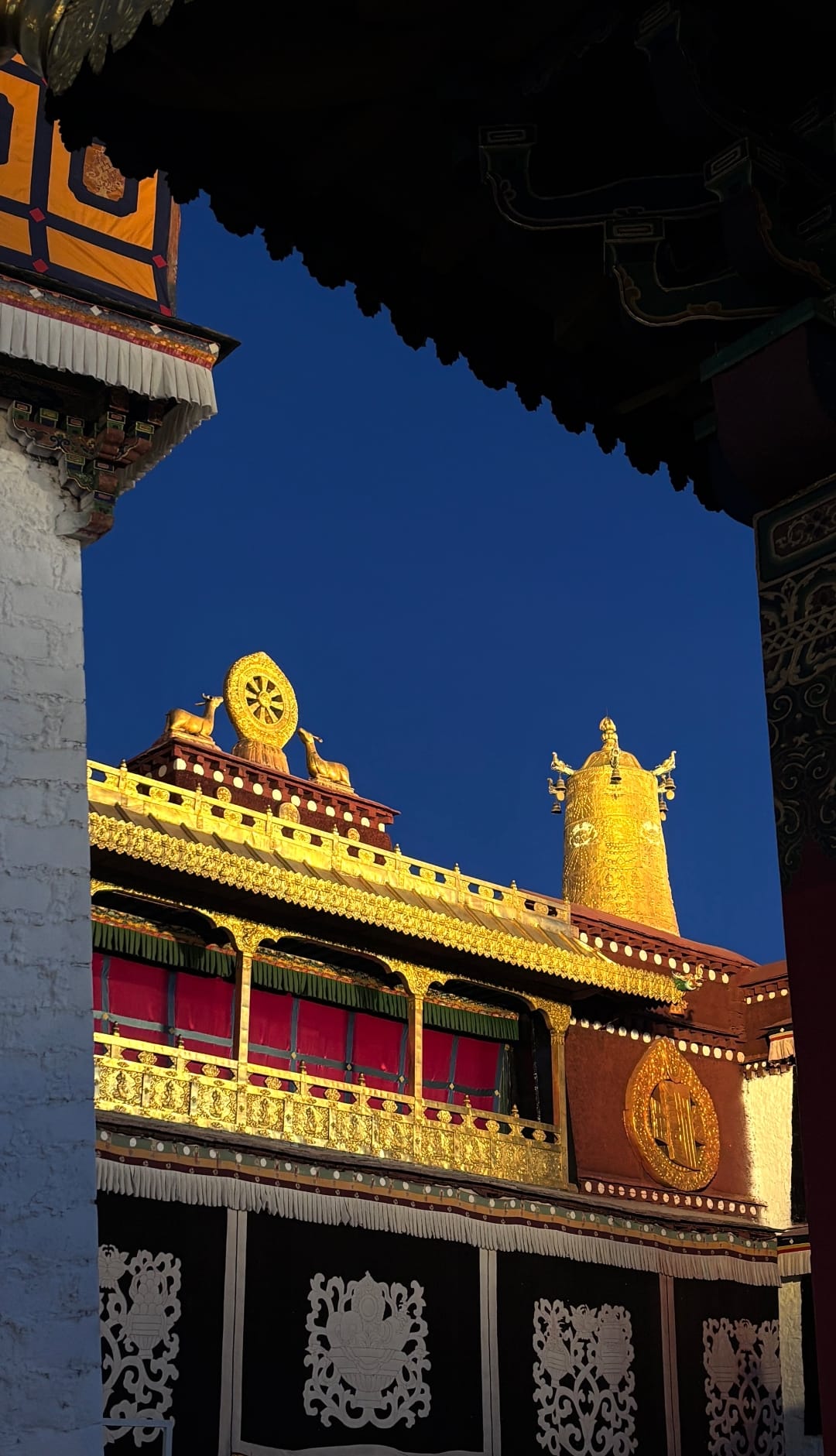
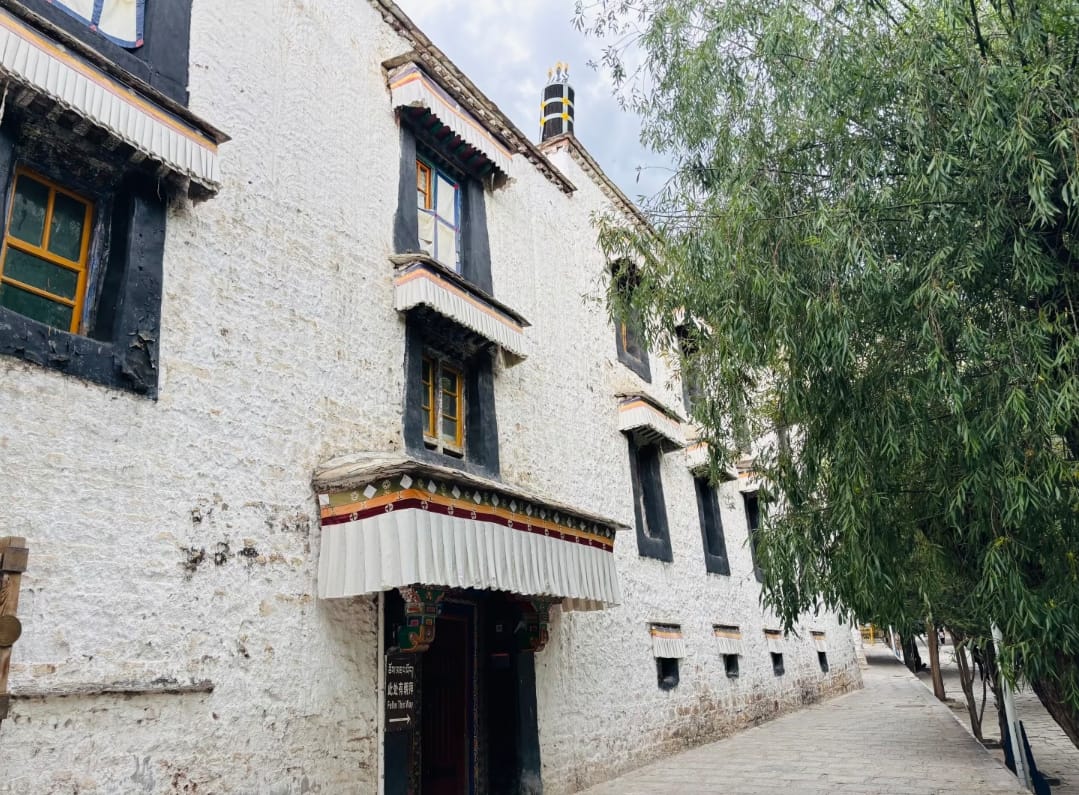
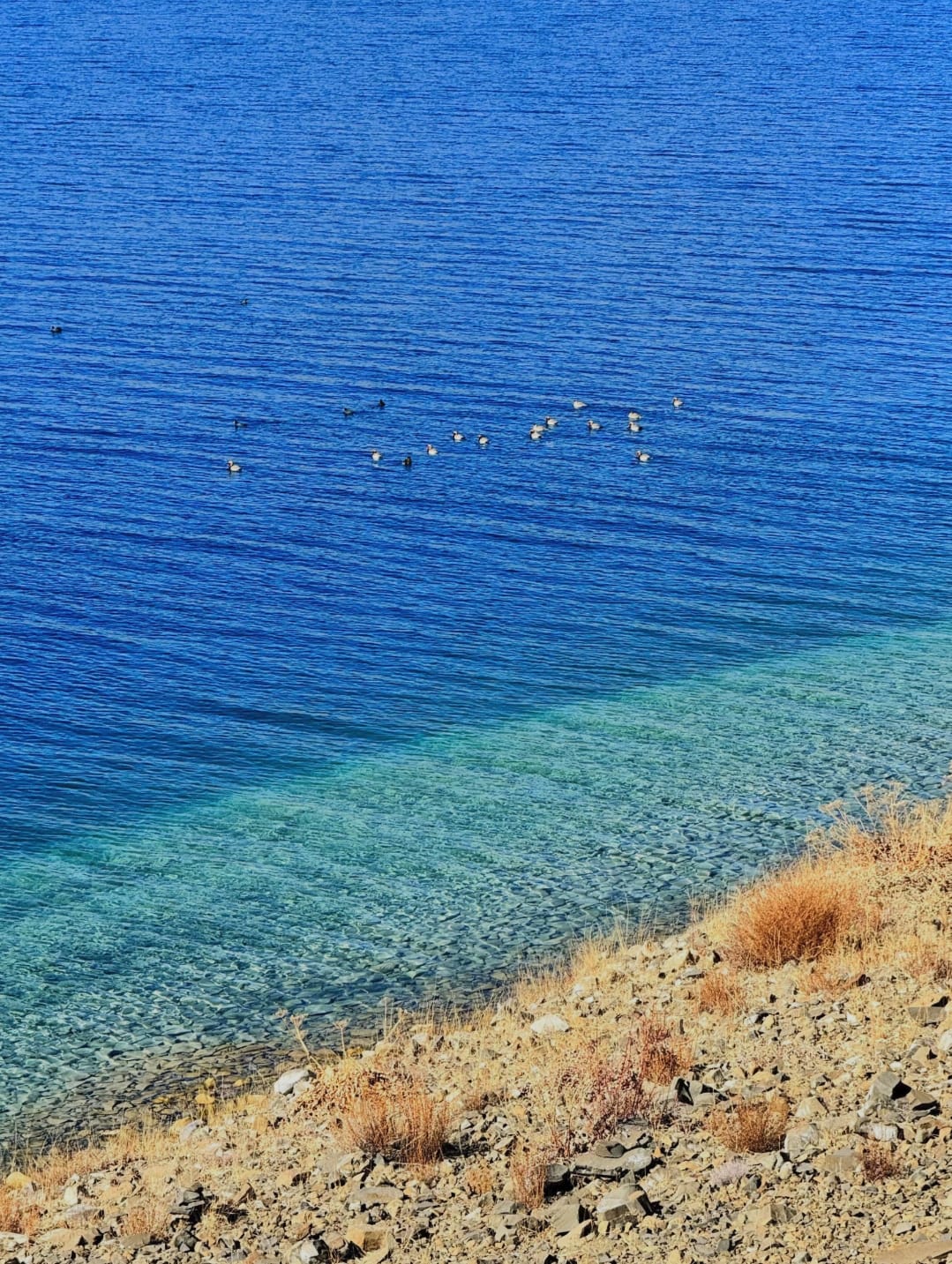
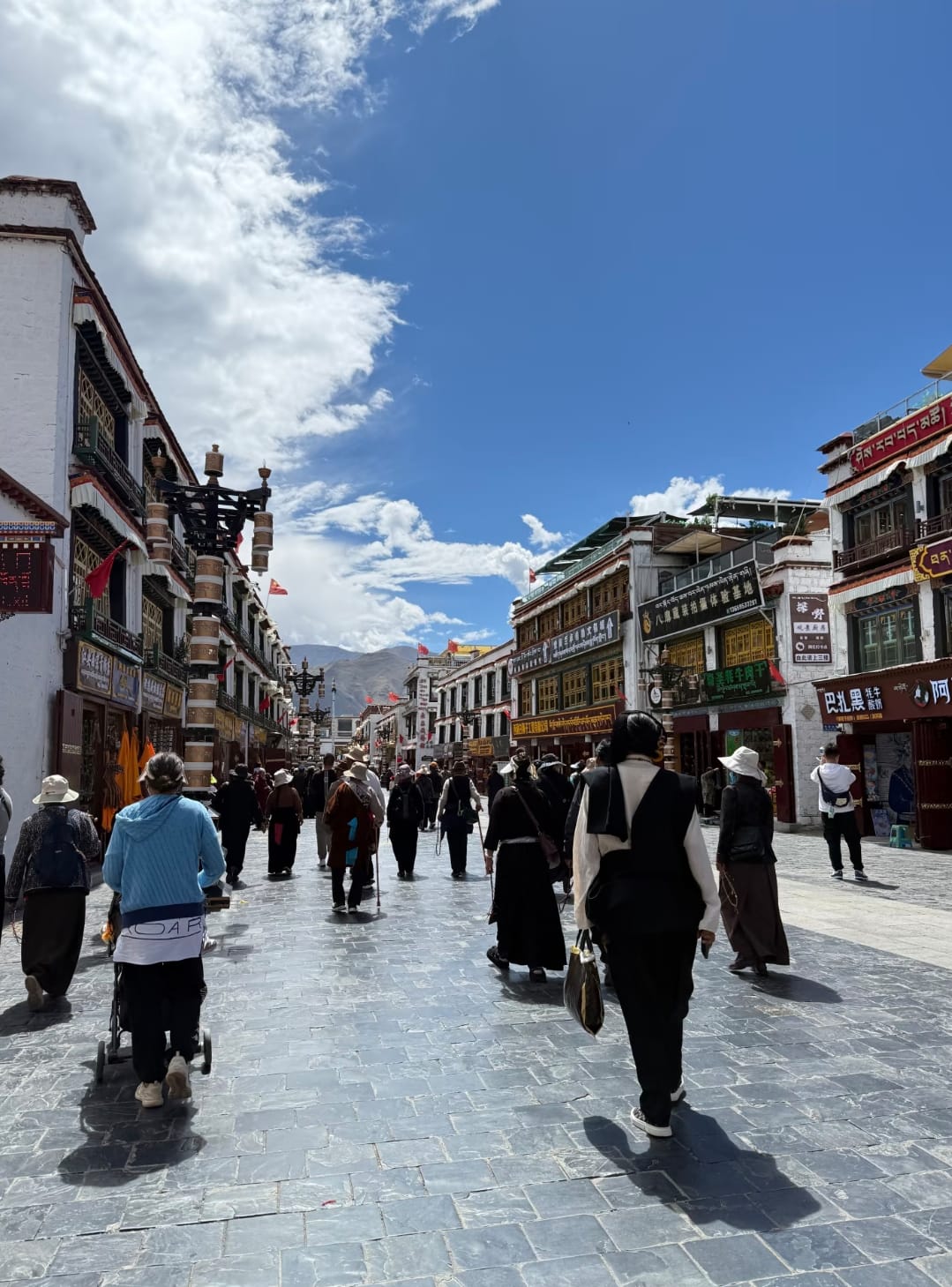
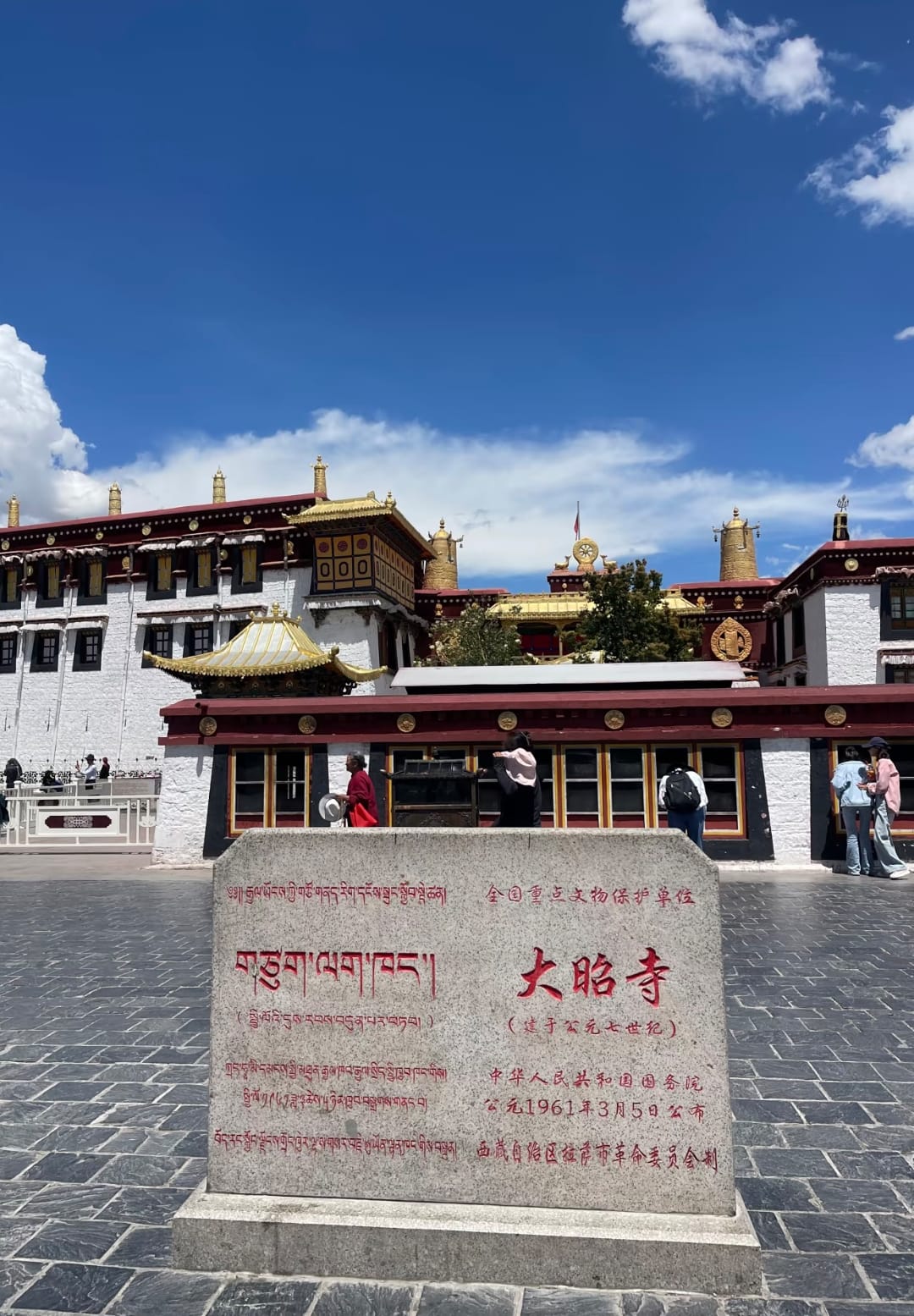
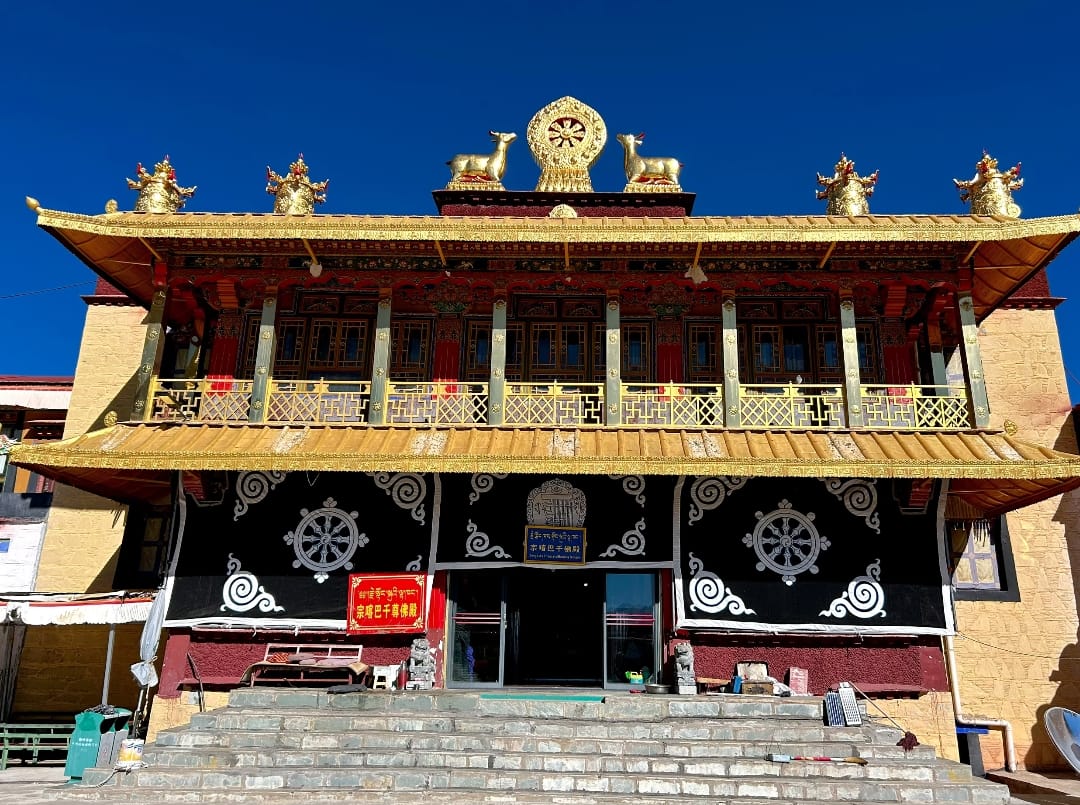
Tibetan cultural experience, Sera Monastery, Potala Palace, Jokhang Temple, Yamdrok Lake, Shazhuling Monastery
Includes only the first entrance tickets to the attractions listed in the itinerary. All attractions are guaranteed to be visited. If an attraction cannot be visited due to unforeseen circumstances, alternative attractions will be negotiated with the traveler.
Off-season travel costs are calculated based on winter ticket discounts each year. No ticket fees or price differences are refundable. No additional price difference will be charged if discount policies change suddenly.
Tickets for the Potala Palace and Jokhang Temple require real-name reservation. Please follow the guide's instructions. Thank you.
Free Transfer Service:
Complimentary limited-time free transfer service (only applicable to the fixed departure and end dates of the group tour):
1. By Air (Lhasa Gonggar Airport): Free pick-up (flights arriving between 8:00 AM and 10:00 PM); Free drop-off (flights departing between 8:30 AM and 10:30 PM);
2. By Train (Lhasa Railway Station): Free train pick-up/drop-off
If tourists need to arrive in Lhasa before our fixed departure date or leave Tibet after the end date, a separate transfer fee will be charged.
If the tourist's booked flight is outside the free transfer period, a separate transfer fee will be charged. This is a group tour; for airport transfers, guests with similar travel time will be grouped together. Waiting time may vary from approximately 2 hours. Our staff will confirm the pick-up time with tourists one day in advance. If tourists do not wish to wait, they can notify the travel agency one day in advance to arrange separate transfers at their own expense.
Complimentary Services:
Oxygen and Water
One small portable oxygen bottle per person
Two small bottles of mineral water (300ml each) per person per day
One spare emergency medical oxygen cylinder (6.8L) provided on board
Potala Palace Headphone Service
To allow tourists to better understand the Potala Palace within the limited visiting time, the guide will rent headphones for tourists at the entrance of the scenic area. Headphones will be returned to the scenic area after the visit. Please keep them safe!
Service fees include:
travel agency service fees, Potala Palace ticket reservation fees, and subsidies for driver and tour guide's meals and accommodation.
Exclusiones
- Propina o agradecimiento
Single Room Supplement: Hotels default to double occupancy (except for dormitory rooms). A single room supplement will apply if a single room is required.
Room Loss: Due to full payment, any room charges incurred due to changes in the itinerary are the responsibility of the traveler.
Personal Expenses: Laundry, telephone, fax, pay TV, beverages, snacks, tobacco, alcohol, and other personal expenses within the hotel.
Unforeseen Circumstances: Due to force majeure and reasons beyond the control of the travel agency (such as natural disasters, war, strikes, epidemics, etc.), or special circumstances such as airline flight issues or insufficient participants, the travel agency reserves the right to cancel or change the itinerary. Any additional costs incurred will be charged by the travel agency.
Round-trip Transportation: Round-trip transportation costs to and from Tibet, such as airfare or train tickets, are not included in the tour price. If the travel agency is required to book these tickets, an additional fee will be charged.
tenga en cuenta
- Pasaporte obligatorio
- Código de vestimenta
Regarding gratuities (price does not include driver and guide gratuities): It is recommended that each tourist tip 60 RMB per day (guide: 30 RMB/day, driver: 30 RMB/day).
The Potala Palace is closed on Mondays. If a Monday falls on a Monday, the tour itinerary will be adjusted. Please confirm the final itinerary with the sales representative.
Tour Notes:
The travel agency reserves the right to adjust the itinerary and order of visits based on current circumstances, provided that all included attractions are visited.
Both Chinese and foreign tourists are welcome to join our group tour. Taiwanese and foreign tourists need to apply for a Tibet Entry Permit in advance.
Hotel Notes (This is a fixed group tour product):
We do not accept requests for specific hotels (i.e., hotels listed by the tourists). Our agency reserves the right to the final interpretation of hotel selection. Hotel arrangements by the tourists themselves are not accepted.
As the Potala Palace and Jokhang Temple require real-name reservations, please ensure you bring your original valid identification documents, follow the guide's instructions, and strictly adhere to the reservation time for entry.
【Friendly Reminder for Traveling to Tibet】 Tibet, a charming tourist destination combining history, culture, ethnic customs, snowy scenery, and Tibetan Buddhism, is increasingly favored by tourists from all over the world. However, the following points must be noted before traveling to Tibet:
Tibet is a high-altitude region. Tourists and their guardians should fully understand the risks of traveling to high altitudes. Tourists with illnesses that preclude travel to high altitudes should not join the tour (such as significant heart, lung, brain, liver, or kidney diseases, as well as severe anemia, high blood pressure, severe colds, etc.). The travel agency has fulfilled its obligation to remind travelers of these conditions, and this should not be concealed during registration.
Get plenty of sleep 2-3 days before traveling to Tibet. Avoid staying up too late to prevent increased discomfort upon arrival. Tourists with psychological concerns can take Nodikang or Gaoyuan'an, or Rhodiola rosea 6-7 days in advance (during the high temperatures of July and August, if discomfort occurs after taking these medications, reduce or stop taking them). On the day of arrival in Tibet, Gaoyuan'an or Rhodiola rosea can be continued without side effects. For severe cases, intravenous fluids and oxygen therapy can be administered at a hospital to alleviate altitude sickness as quickly as possible. Most tourists acclimatize to Tibet within 1-1.5 days of arrival. Altitude sickness is caused by oxygen deficiency, and the most common symptoms include headache, dizziness, nausea, vomiting, and insomnia. The most significant factor is psychological, so tourists are advised to relax and not be afraid.
On the day of arrival in Tibet, rest quietly in your hotel. Avoid showering at night to prevent catching a cold, which could lead to pulmonary edema or worsen altitude sickness due to oxygen deficiency. Even tourists without adverse reactions should avoid strenuous exercise, alcohol, and smoking to ensure a smooth completion of the rest of the trip.
At high altitudes, speak softly and walk slowly. If you are not experiencing adverse reactions, drink plenty of water and eat plenty of fruit. Eat only until you are 70% full to avoid putting extra strain on your digestive system. Carry some high-energy snacks (such as chocolate, beef jerky, biscuits, etc.) with you, as high altitude consumes energy and you need to replenish it in time. Tourists who are in a sub-healthy state or have hidden ailments should bring some American ginseng to keep in their mouths to maintain energy and immunity.
The temperature difference between day and night in Tibet is significant, reaching around 13 degrees Celsius. You must bring a thick coat or sweater, especially in high-altitude areas (such as Tingri and Mount Everest), where nighttime temperatures drop to around 0-5 degrees Celsius in August. Down jackets, thermal underwear, and other warm clothing are essential. Power outages are common in remote areas after midnight; tourists on adventure routes need to bring their own flashlights and toilet paper.
Due to the vastness of Tibet, transportation between areas is mostly by local tourist buses. On some routes, the travel time may be longer than the sightseeing time. Please be prepared for this before departure and don't be impatient. May the beautiful scenery along the way help you forget your fatigue.
Traveling in Tibet is a long and arduous journey, with significant climate differences that may cause travelers to experience acclimatization issues. Travelers should bring necessary medications and common remedies such as bandages, cold medicine, or gastrointestinal medication.
Tibet's economic development lags behind that of mainland China, and local infrastructure needs improvement. Hotels, vehicles, and restaurants are not as readily available. Please be prepared and understanding.
Tibet uses Beijing time, but there is a two-hour time difference. Therefore, daily routines are also two hours later than in mainland China. Travelers need to adjust accordingly, especially regarding waking up and meals, which are also done on "Tibetan time." Please be aware of the difference.
While the Tibetan people are simple and honest, some differences may still exist in today's rapidly developing economy. If you are taking photos, please agree on the price with the photographers beforehand. Never negotiate the price after taking the photo to avoid unnecessary conflicts.
Please pay attention to safety and remember not to leave the group or change the itinerary without permission. When going out at night, please travel in groups and be sure to return to the hotel before 12:00 AM to avoid affecting the next day's itinerary.
Tibet has strong sunlight and a particularly dry climate; sunscreen, sunglasses, lip balm, and sun hats are essential.
Tibet is predominantly inhabited by Tibetans; please respect local customs. When visiting temples, please walk clockwise. Photography, hats, and miniskirts are not allowed inside temples. Avoid discussing political issues with Tibetans, and do not eat dog meat, monkey meat, horse meat, or donkey meat. If Tibetans offer tea or alcohol, try to accept it; if you cannot, politely explain and ask for their forgiveness. Do not take the offered khata (ceremonial scarf) to toilets or other unclean places; keep it safe.
Because Tibetan temples and attractions are managed by the management committee and not by the tourism bureau, they may close early or open late. Please be understanding if you encounter such situations.
Qué llevar
Entry visa to Tibet: Passport, Visa (not required for visa-free countries).
Tibet has strong sunshine and a particularly dry climate; sunscreen, sunglasses, lip balm, and a sun hat are essential.
Tibet has a rich religious and cultural atmosphere; please dress appropriately when visiting. Also, considering that temples and other buildings often require climbing stairs, flat shoes are recommended for easier and more comfortable movement.