Required Core Documents
1. Passport: Valid for at least 6 months with at least 2 blank visa pages; accompanied by a valid Chinese tourist L visa (except for visa-free countries).
2. Tibet Tourism Approval Letter (Tibet Travel Permit TTP) This cannot be applied for by individuals and must be obtained before departure.
Requirements: Carry the original paper document with you. Electronic versions and photocopies cannot be used for check-in, train ticket inspection, or verification at checkpoints along the route; it is required for ticket purchase and boarding/transportation.
Strict Travel Management Rules:
1. ❌ Independent travel, self-driving, cycling, and solo backpacking are prohibited. Travelers must be accompanied by a licensed foreign-speaking tour guide and in a private vehicle arranged by a travel agency.
2. The approved itinerary, accommodation cities, and transit stops cannot be altered without authorization.
3. Accommodation is limited to hotels officially designated for international travelers.
Requirements for Traveling to and from Tibet:
1. Only commercial airliners and direct trains are permitted to enter Tibet. Foreign vehicles are not allowed to enter Tibet by land, nor are they permitted to drive across provincial borders into the Tibetan region.
2. At all airports and train stations nationwide, the original Tibet Entry Permit will be verified during check-in. Without the original permit, boarding will be denied.
3. Within Tibet, transportation must be arranged by travel agencies. Taking taxis or chartering vehicles for long-distance travel across regions is prohibited.
High Altitude Health and Safety Precautions
1. Lhasa is at an altitude of 3650m. For the first two days after arrival, avoid showering, washing your hair, running, jumping, and drinking alcohol to prevent catching a chill and triggering pulmonary edema. Drink plenty of warm water and walk slowly. Most people will naturally adapt to mild altitude sickness symptoms such as headache, shortness of breath, and insomnia within 1-3 days.
2. Medication Preparation: Take Rhodiola rosea one week before departure for prevention; carry ibuprofen, glucose, and altitude sickness medication; oxygen cylinders can be rented in the city as needed, but continuous oxygen use is not recommended as it can lead to dependence.
3. A cold at high altitude can easily develop into severe altitude sickness. If you experience runny nose and body aches, rest immediately or return home. Do not try to push yourself to continue to high-altitude areas.
Religious and Folk Customs and Taboos (Of Utmost Importance)
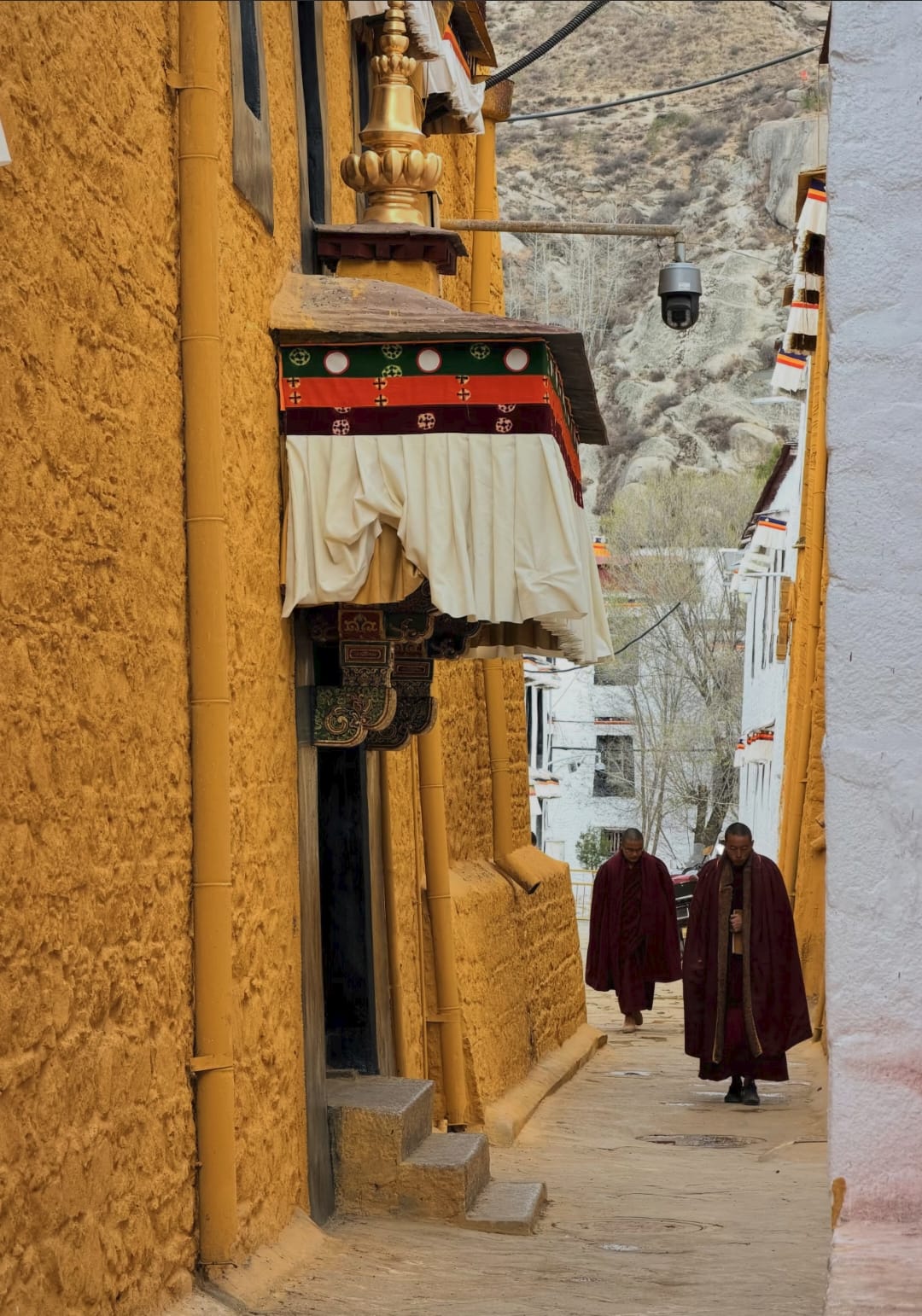
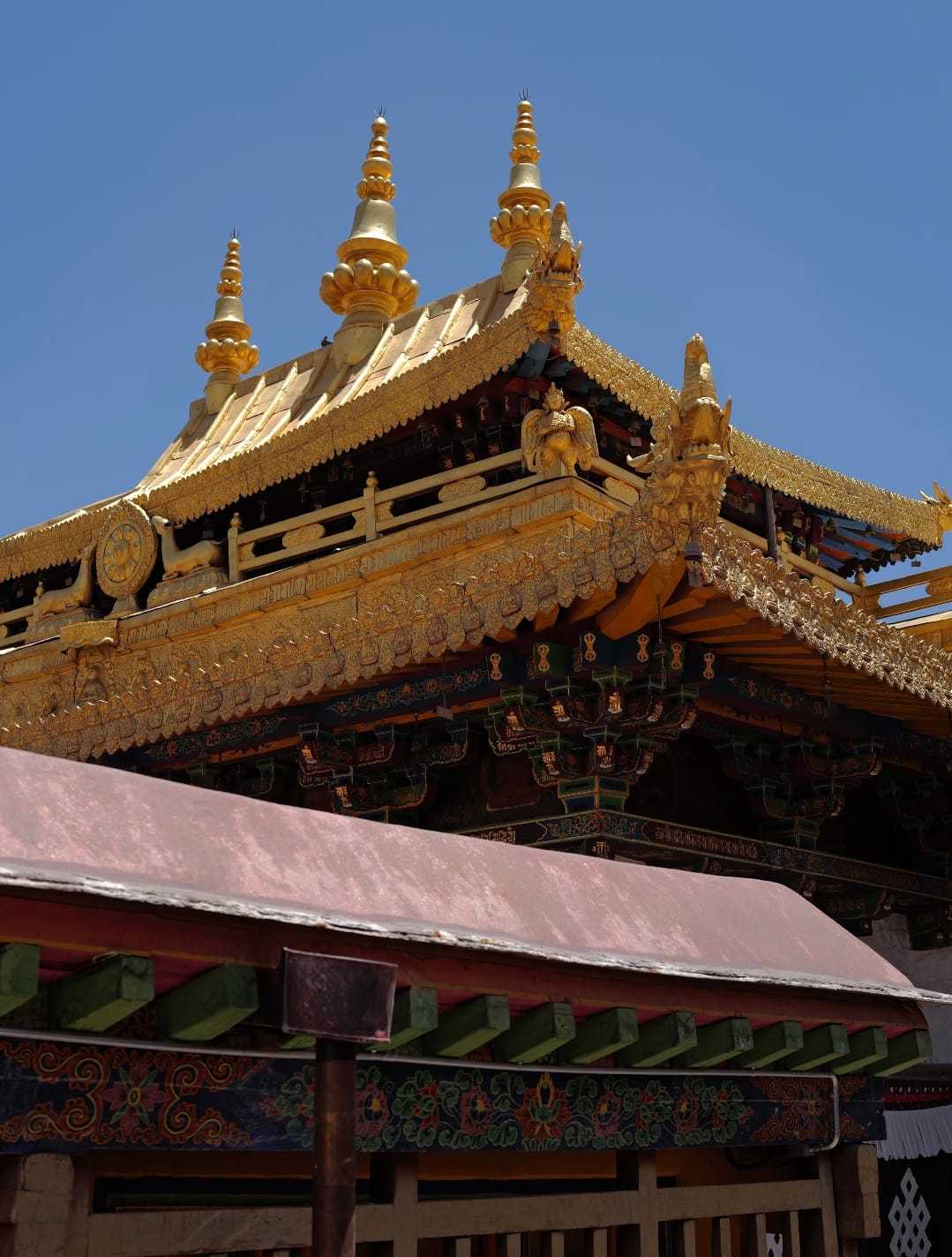
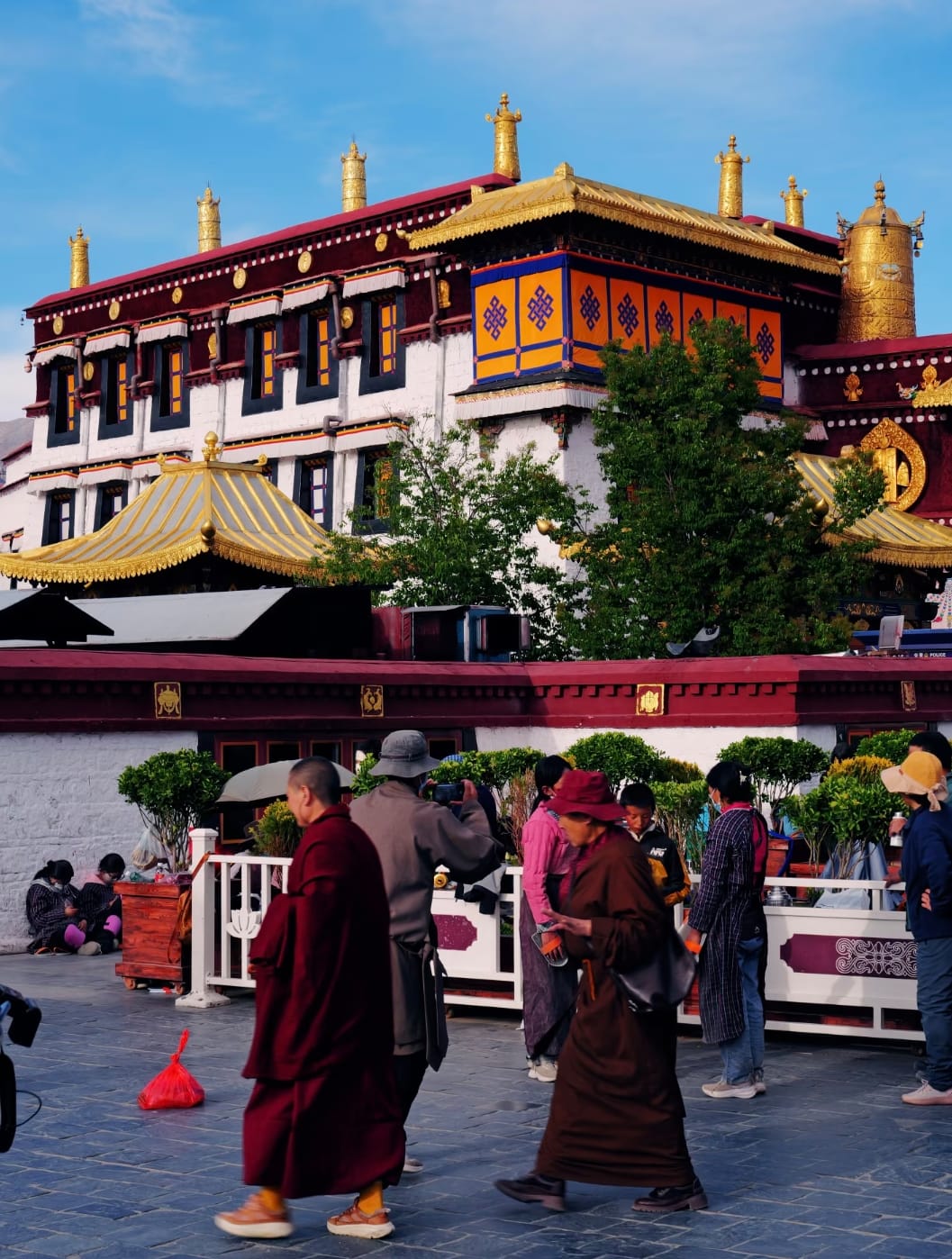
1. Temple Visiting Regulations: Hats and sunglasses must be removed before entering a temple. Do not step on the threshold. Pointing directly at Buddha statues with your finger is strictly prohibited; indicate with your palm facing upwards. Walk clockwise around prayer wheels, stupas, and mani stones; do not walk counter-clockwise.
2. Photography is prohibited inside the main hall. Before photographing Buddha statues, murals, or ritual implements, you must ask a monk. Photography and videography are strictly prohibited in some halls; violations will result in equipment confiscation and deletion of materials.
3. Do not touch or step on prayer flags, windmills, or mani stone piles. Do not move or pick up mani stones to take away.
Local Etiquette:
1. When offered a khata (ceremonial scarf) by Tibetans, accept it with both hands and bow respectfully; do not discard it carelessly. When entering a Tibetan home, do not step on the threshold, and do not arbitrarily rummage through religious implements, shrines, or butter lamps.
2. Do not take photos of herders, children, or monks without their consent. Always obtain verbal permission before taking photos of people; do not force yourself to take photos if they refuse.
3. Respect local customs: You may sample butter tea, tsampa, and Tibetan food, but do not comment on local food customs. In pastoral areas, do not drive cattle or sheep or trespass on private pastures.
Photography, Communication, and Supplies Regulations
1. Photography and videography are strictly prohibited at border posts, military facilities, border checkpoints, bridges, tunnels, and airport control areas. Drones are prohibited from flying at all times. Equipment used in violation will be temporarily confiscated, and serious offenses will be subject to penalties.
2. Mobile roaming is normal overseas. 4G signal is stable in Lhasa city; signal is weaker in remote pastoral areas. Free WiFi is generally available in hotels and scenic spots.
3. Climate and Clothing: Temperature differences between day and night are extreme. Even in summer, you should prepare a windproof jacket, a warm inner layer, a sun hat, sunglasses, and high-SPF sunscreen; UV radiation is extremely strong, and sunburn is very likely.