



Chongqing China Three Gorges Museum Private VIP Guided Tour
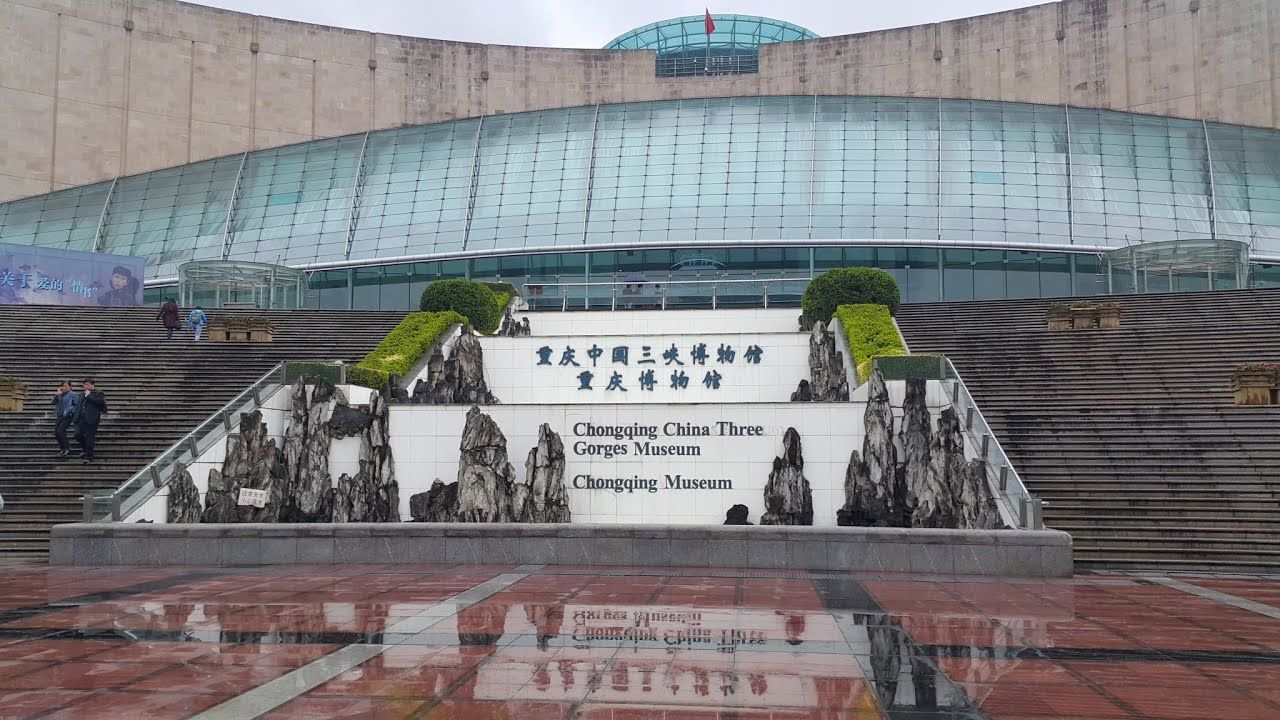
The Chongqing China Three Gorges Museum (重庆中国三峡博物馆), also known as the Three Gorges Museum, is one of China's largest monographic museums.
The Chongqing China Three Gorges Museum (重庆中国三峡博物馆), also known as the Three Gorges Museum, is one of China's largest monographic museums. Located opposite the Chongqing People's Assembly Hall in Yuzhong District, this architectural complex has become an iconic city landmark.
🏛️ Basic Information
- Address: No. 236 Renmin Road, Yuzhong District, Chongqing
- Opening Hours: 9:00 AM - 5:00 PM (Last entry at 4:00 PM or 4:30 PM), closed on Mondays except public holidays
- Admission: Free, but visitors need to register in advance
- Recommended Visiting Time: 2-3 hours
🏺 Historical Background & Architecture
The museum originated as the Southwest Museum in 1951, was renamed Chongqing Museum in 1955, and finally became the Chongqing China Three Gorges Museum in 2000 before opening to the public in 2005. It was the first large museum with "China" in its title approved by the State Council outside Beijing.
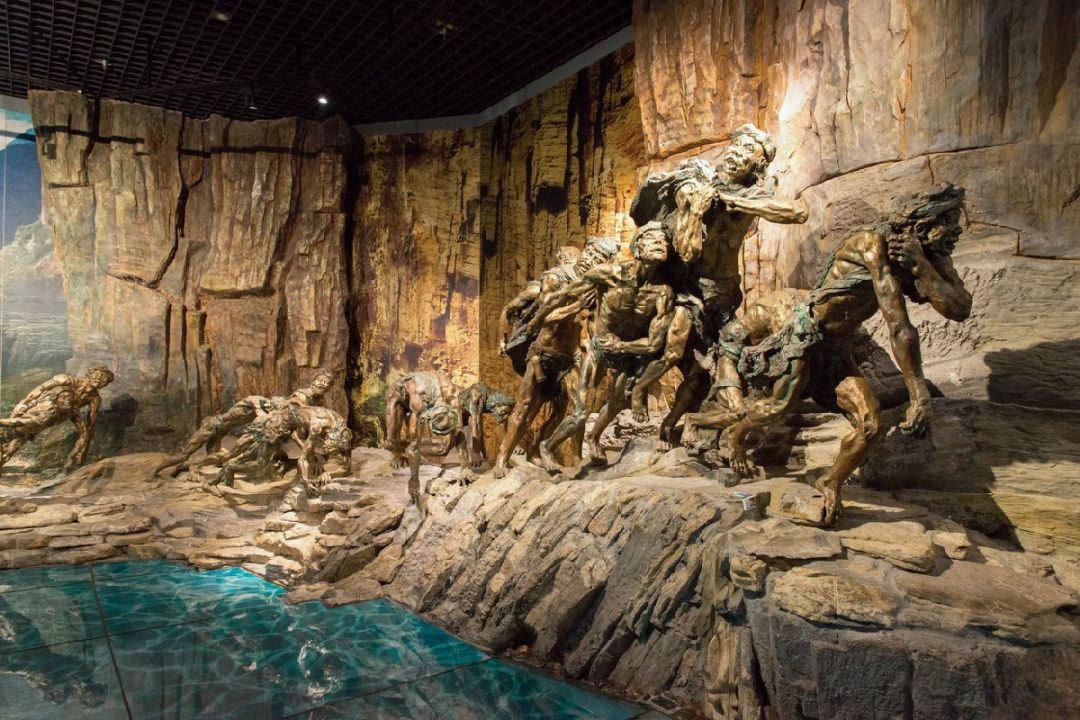
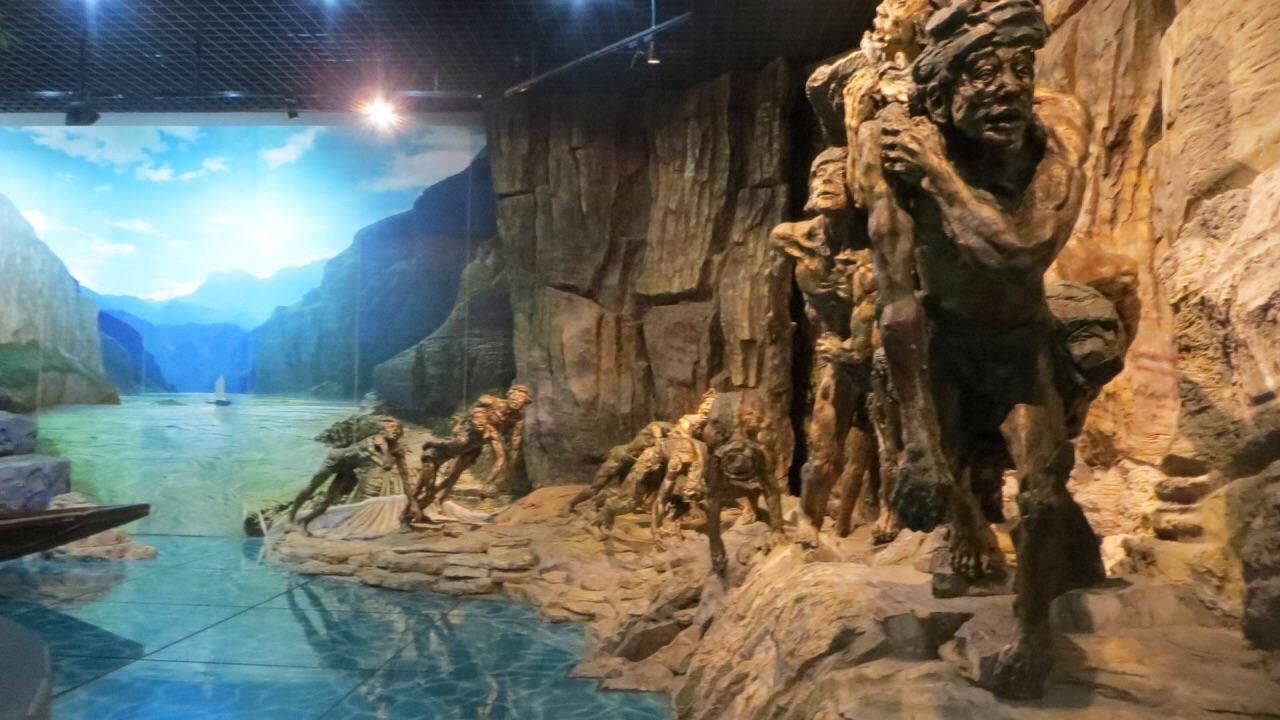
The museum building features sloping walls and a large glass dome, symbolizing the history and origins of the Three Gorges Dam Project. Covering approximately 42,497 square meters, the complex includes large-scale reliefs, bronze sculptures, and a one-kilometer-long "Ecological Corridor".
🖼️ Main Exhibitions
The museum houses over 180,000 cultural relics and features ten permanent exhibitions:
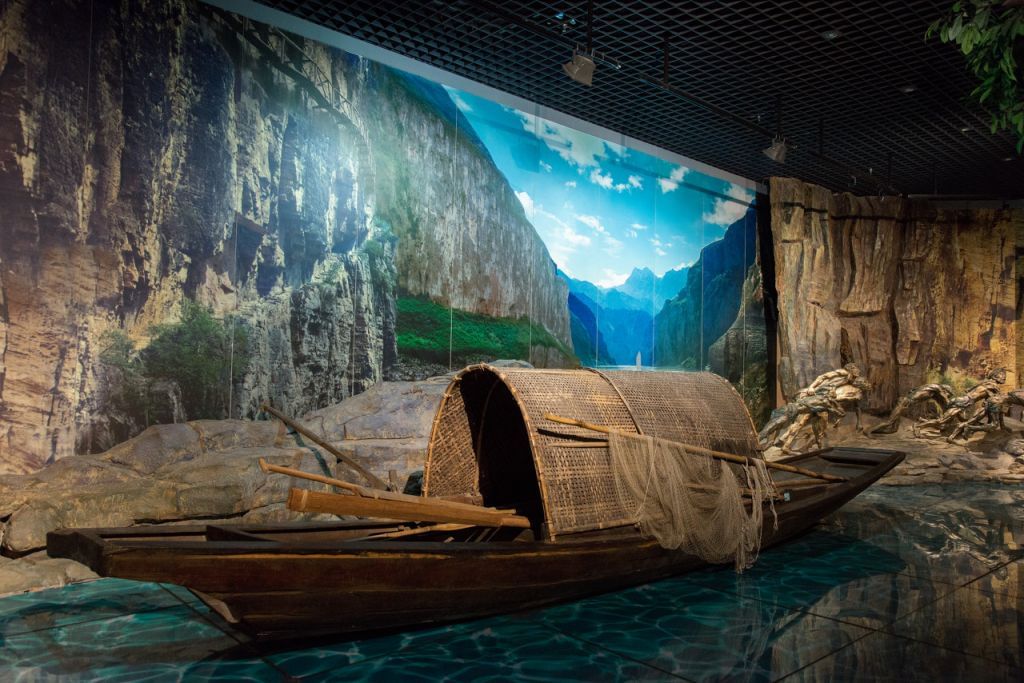
- The Magnificent Three Gorges (壮丽三峡): Showcases the history, culture, and natural environment of the Three Gorges region, including artifacts recovered before the Three Gorges Dam project.
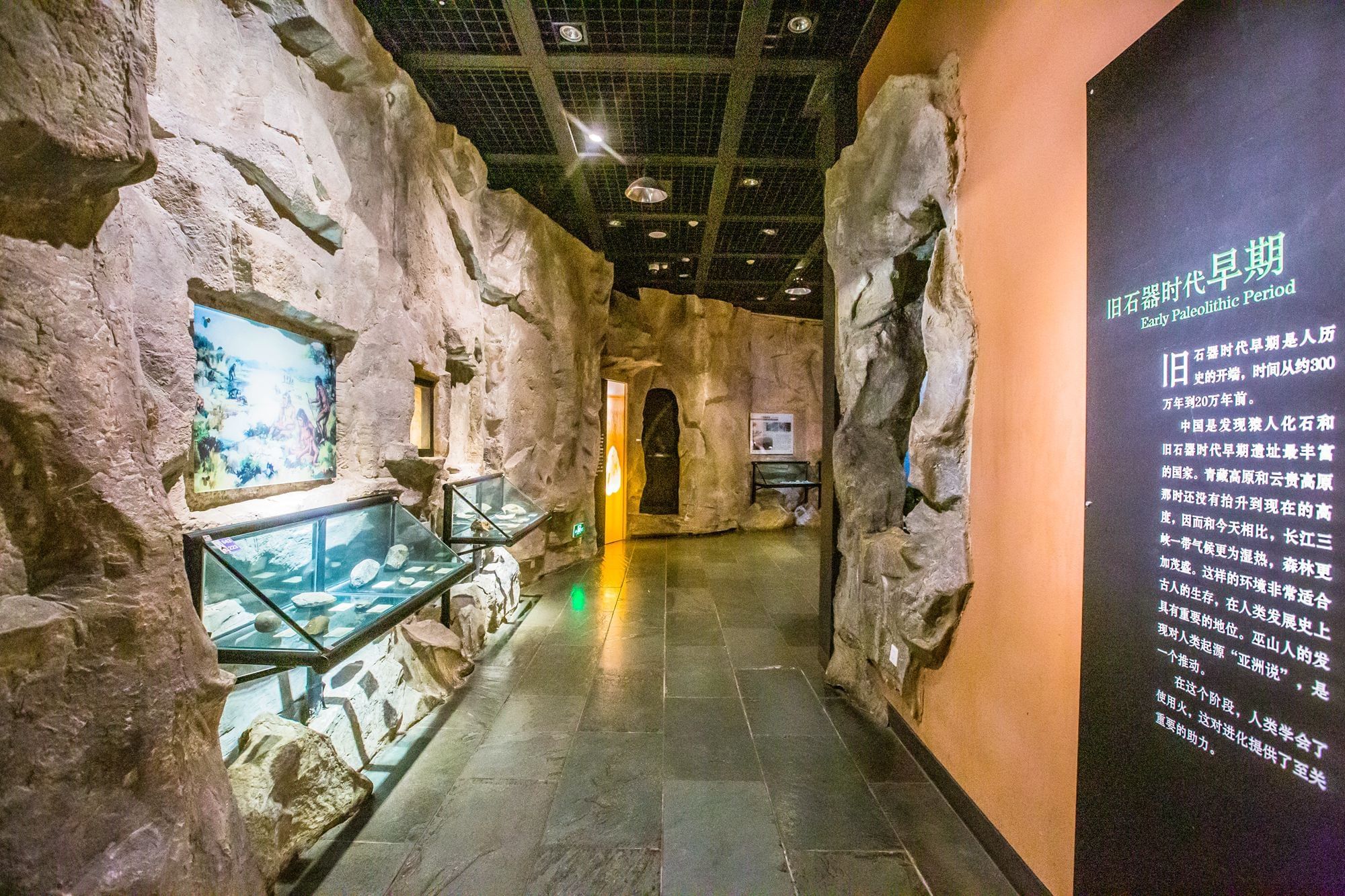
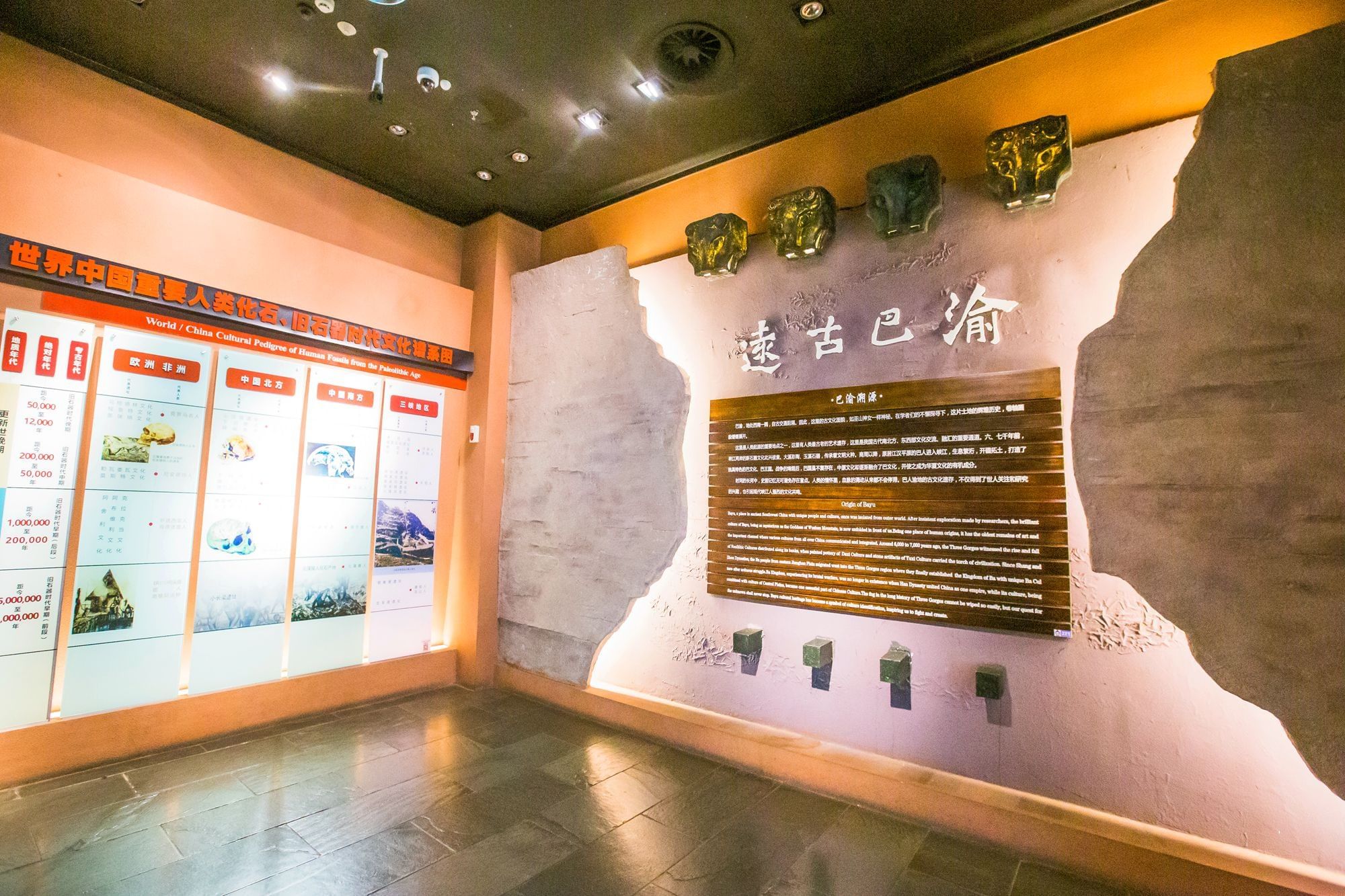
- Ancient Ba-Yu (远古巴渝): Exhibits cultural relics from the Stone and Bronze Ages, tracing Chongqing's civilization back 3,000 years.
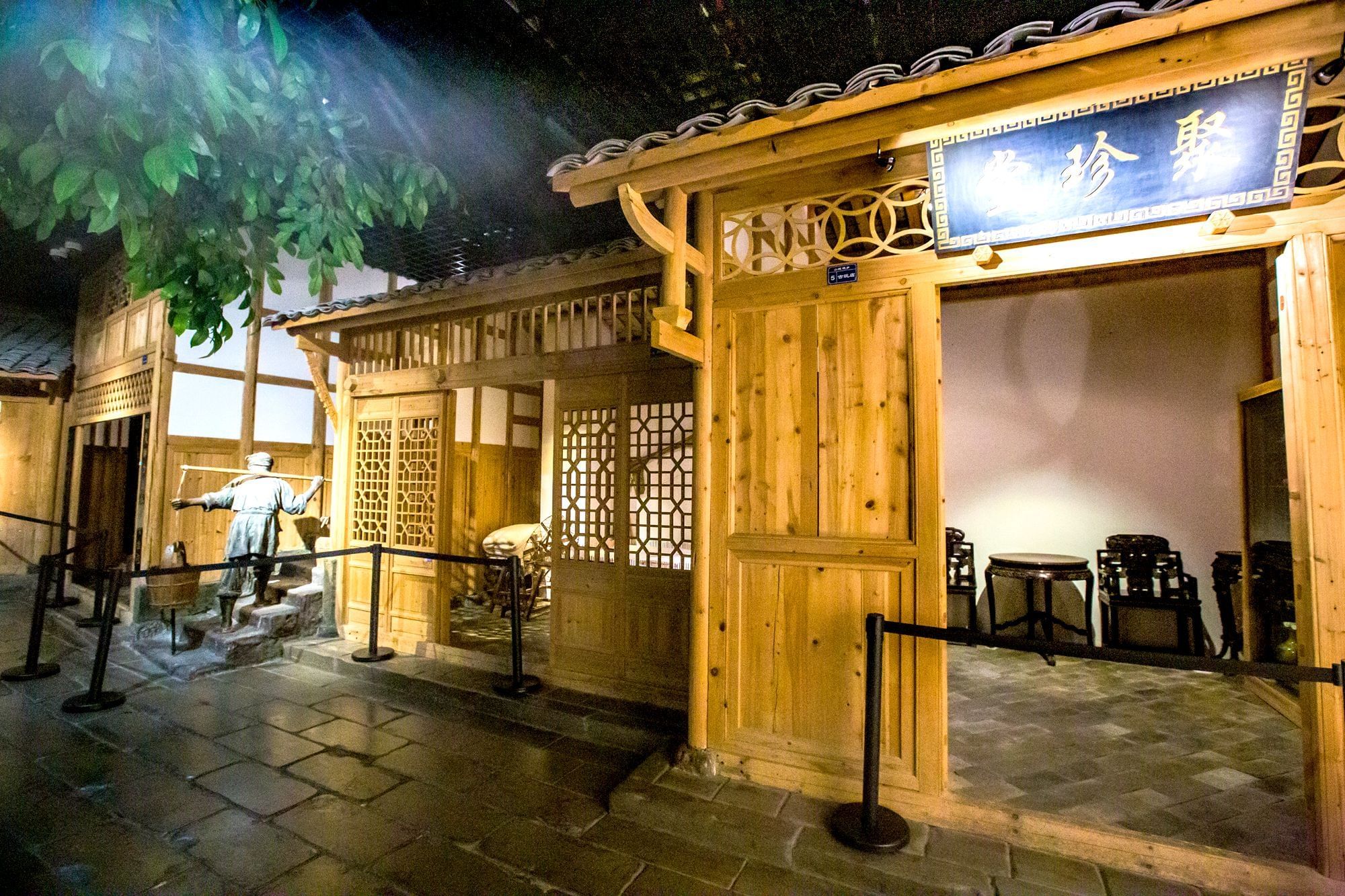
- Chongqing: Journey to Urbanization (重庆:城市之路): Chronicles the city's 20th-century development and transformation.
- The Anti-Japanese War Period (抗战岁月): Documents Chongqing's role as China's wartime capital during WWII.
Additional specialized exhibitions feature calligraphy, paintings, porcelain, coins, Han Dynasty sculptures, and southwestern Chinese folk customs.