


Tibet: H Line - [G318] - 10-Day Small Group Tour (Departing from Chengdu)
10 days
Moderate
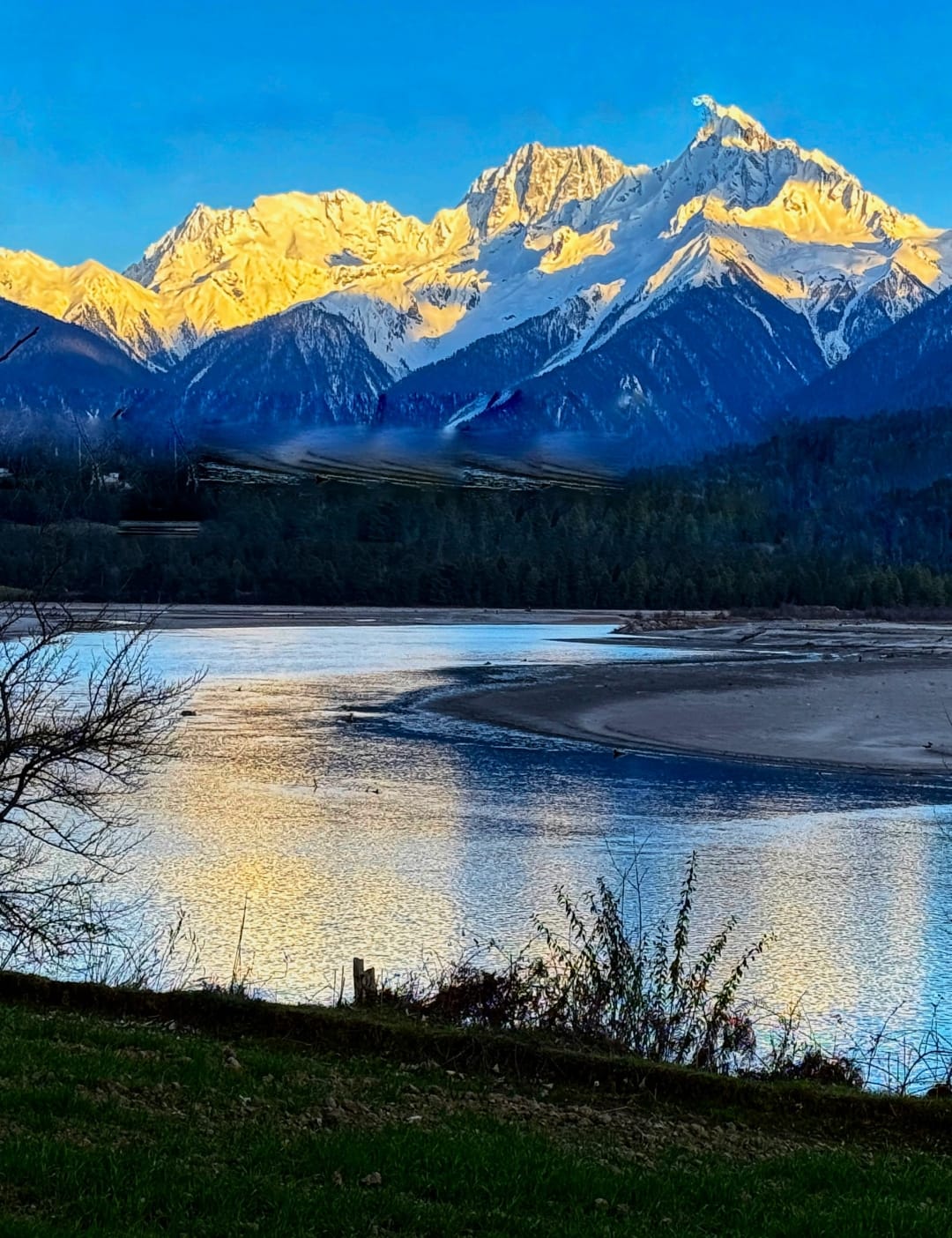
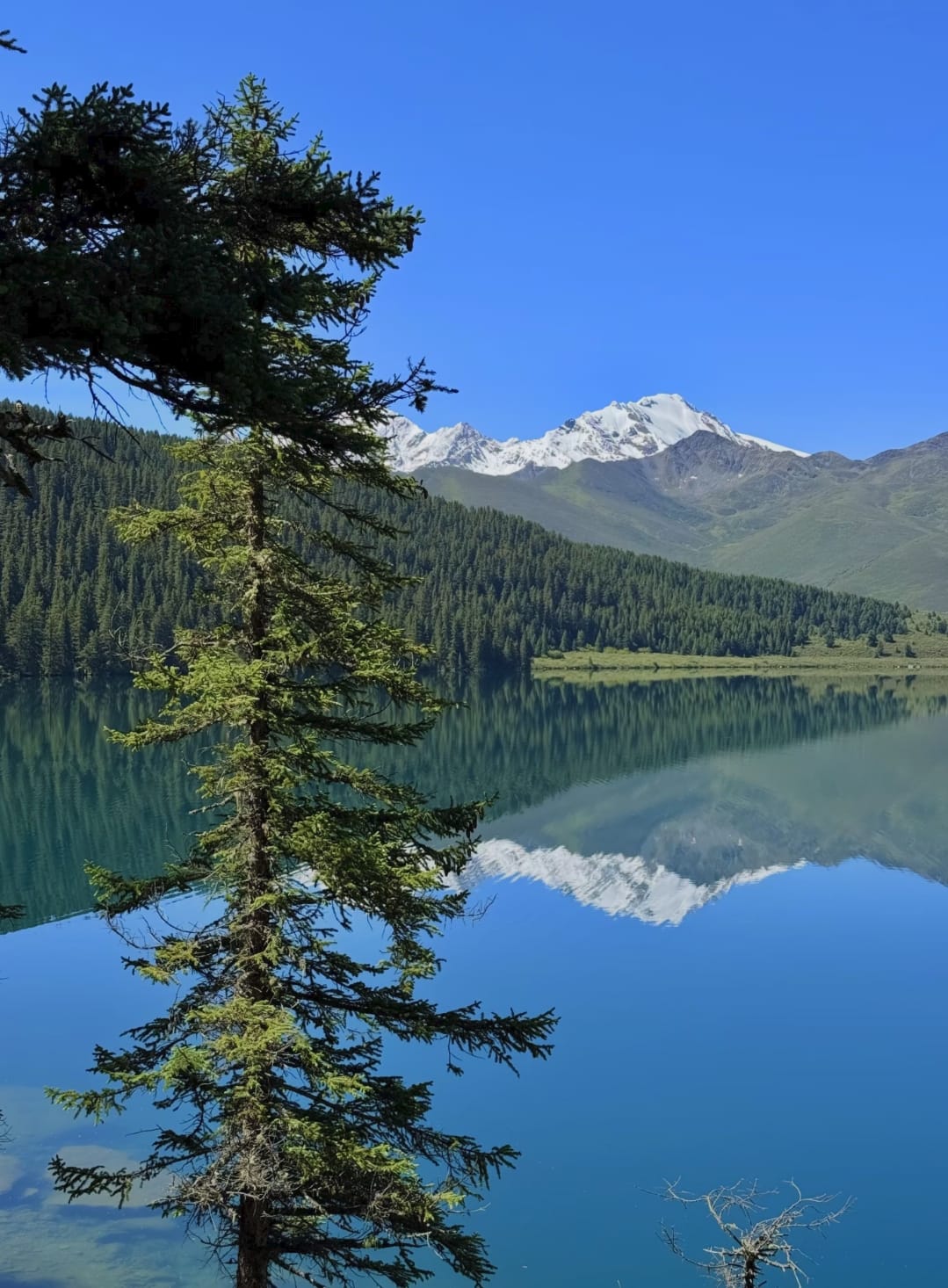
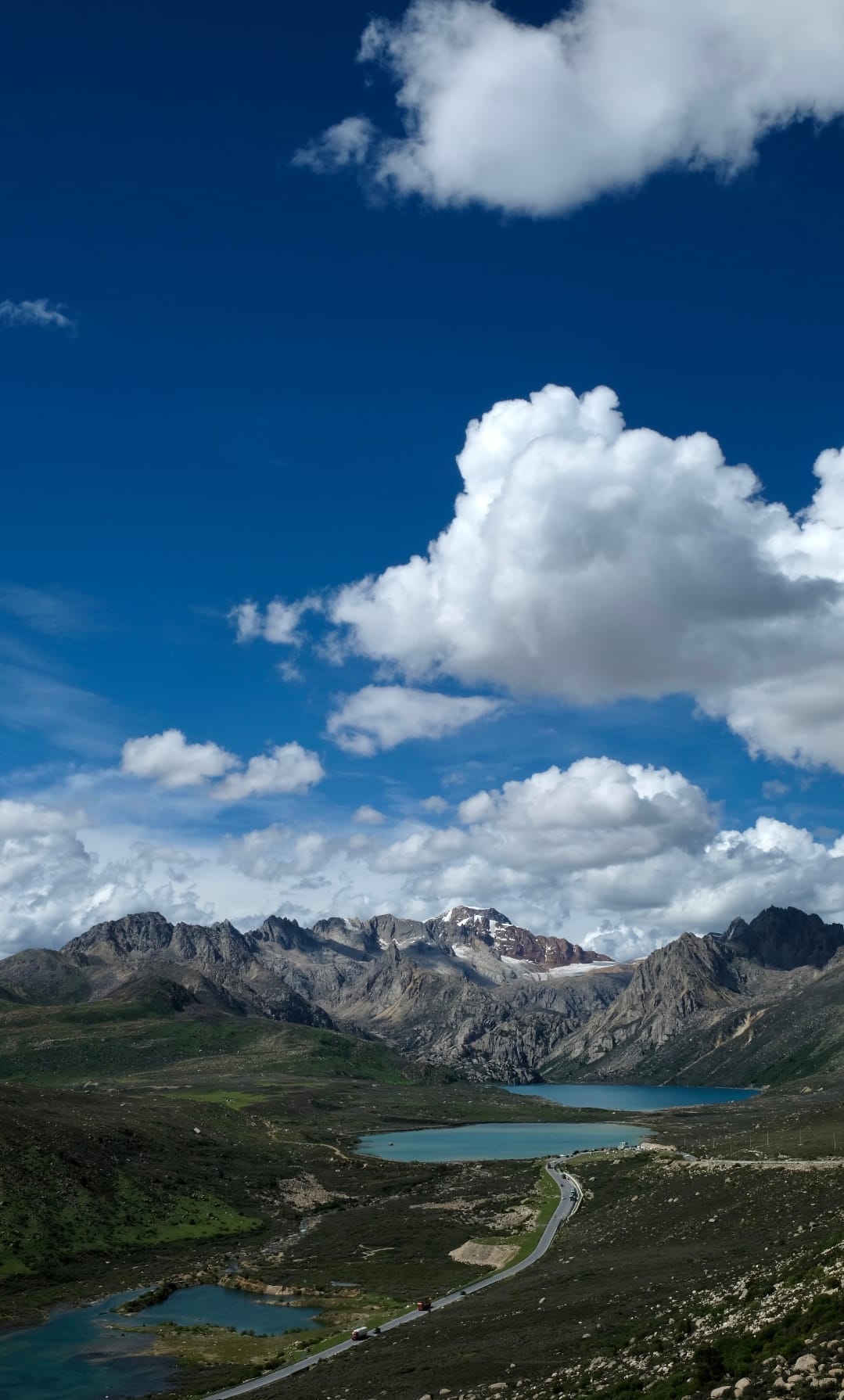
Explore the most beautiful highway in China, the G318 Sichuan-Tibet Highway, in 10 days. A yearly vacation or long holiday is enough to complete an enviable journey along the Sichuan-Tibet Highway.
Day 1: Arrival in Chengdu from various locations around the world (0KM)
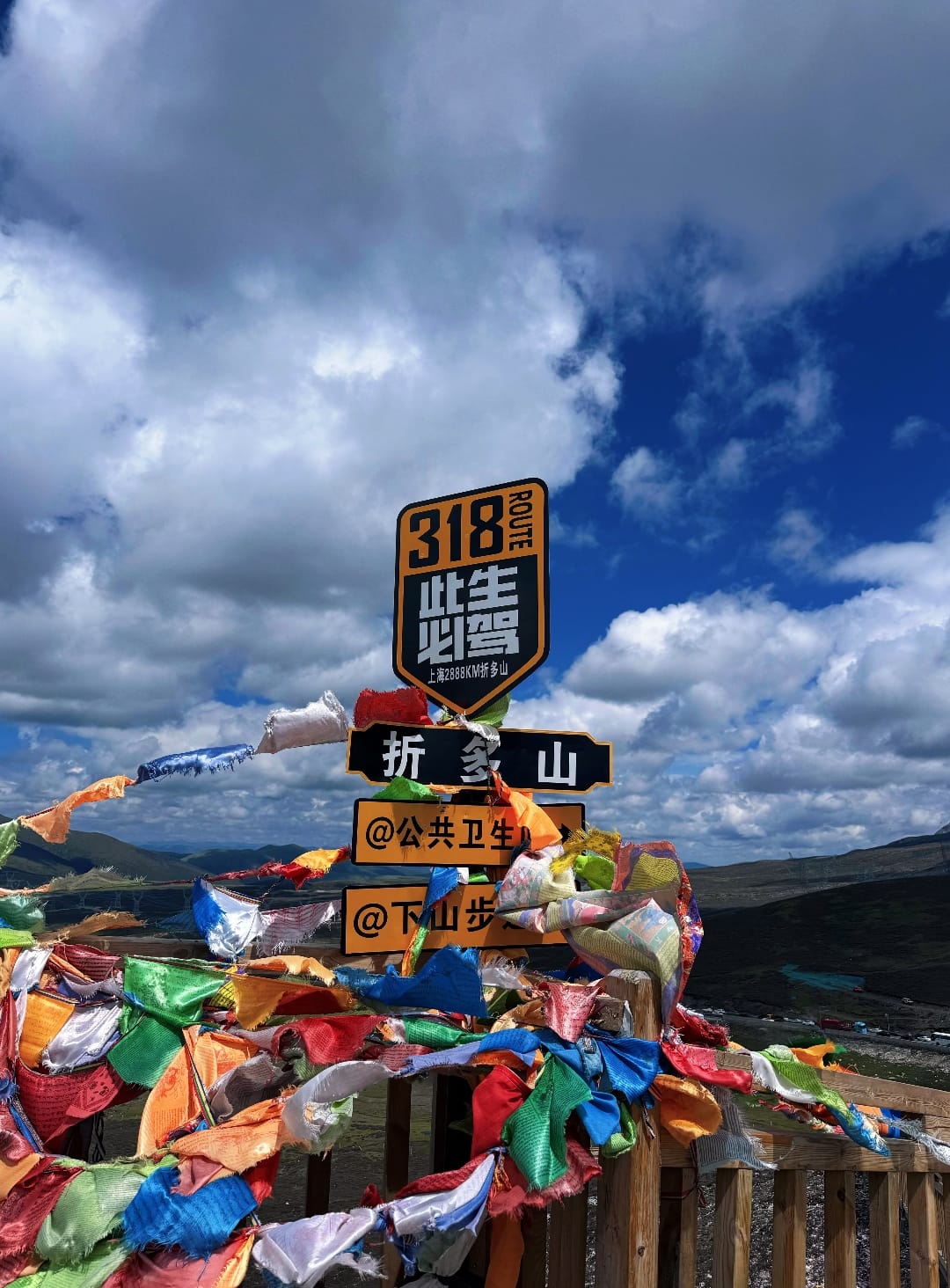
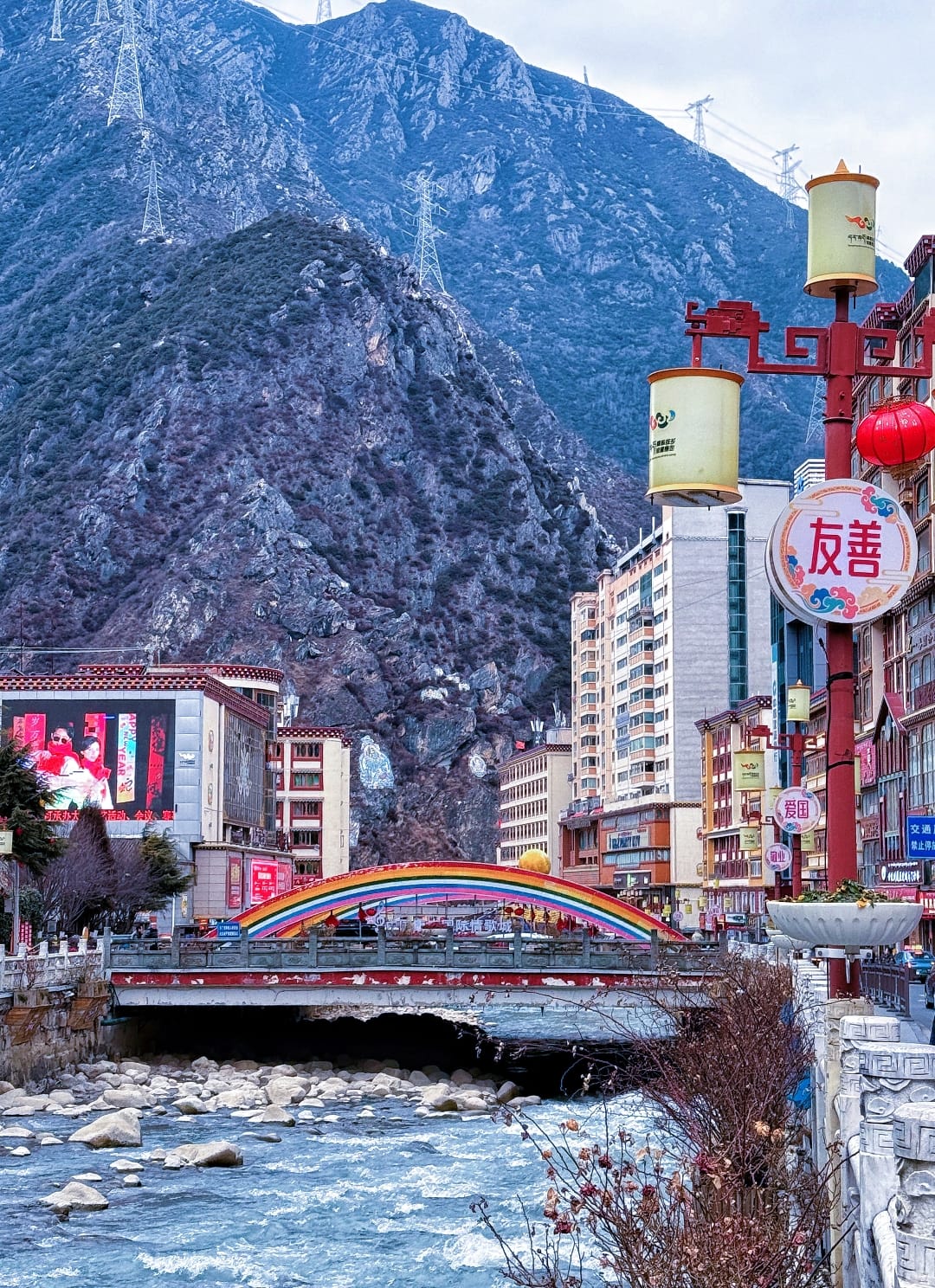
Day 2: Chengdu - Kangding - Zheduo Mountain/Honghaizi - Xinduqiao - Yajiang (400KM)
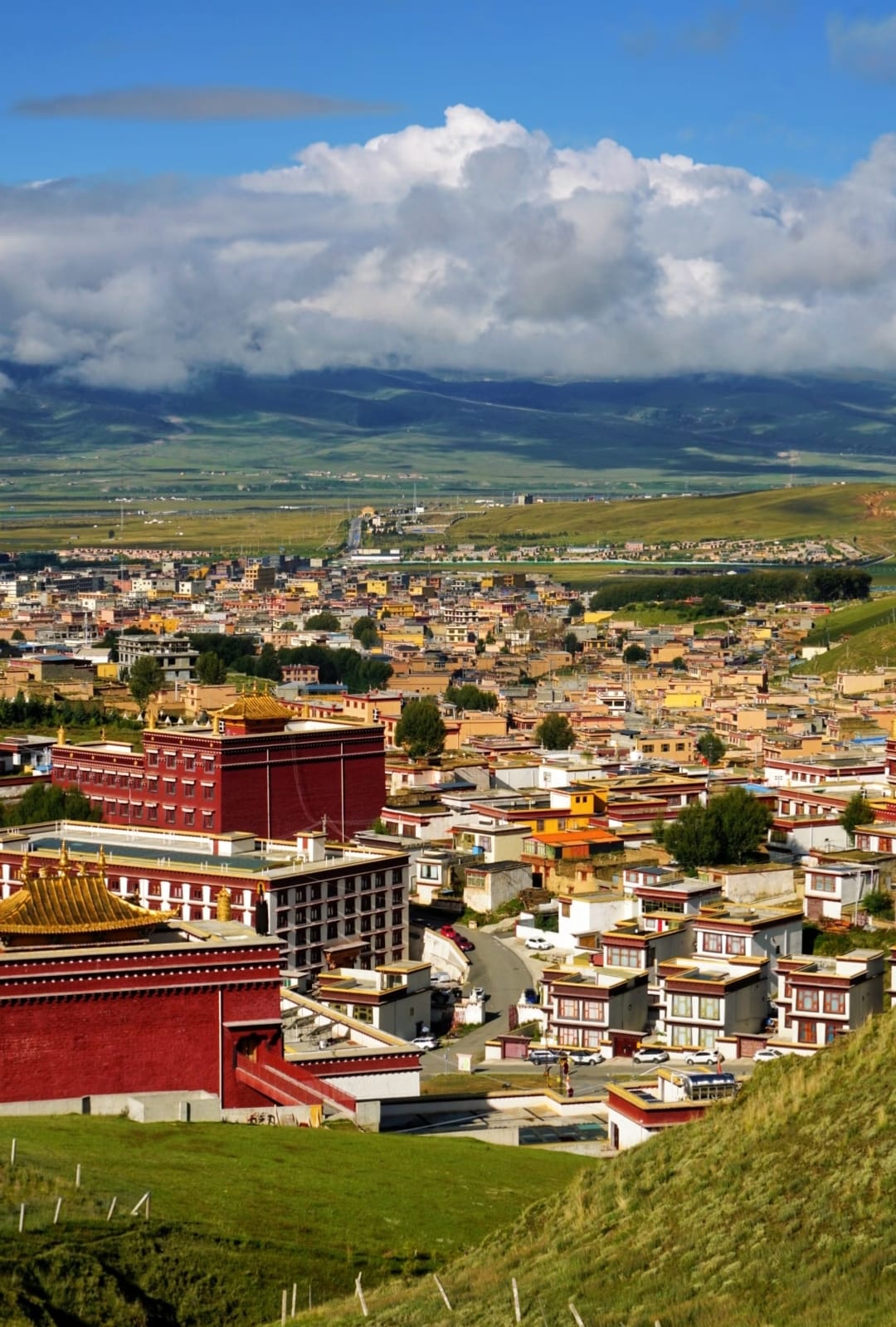
Day 3: Yajiang - 18 Bends of the Heavenly Road - Litang·Letong Ancient Town - Maoya Grassland - Sister Lakes - Cuopu Valley Entrance/Scenic Area (250KM)
Day 4: Cuopu Valley Entrance/Scenic Area - Cuopu Valley - Mangkang (155KM)
Day 5: Mangkang - Dongda Mountain - Zuogong - 72 Bends of the Heavenly Road - Basu (360KM)
Day 6: Basu - Ranwu Lake - Midui Glacier - Bomi (230KM)
Day 7: Bomi - Guxiang Lake - Lulang - Tibetan Village (Butter Tea + Tsampa Making + Horse Riding + Archery) - Sejila Mountain - Linzhi (235KM)
Day 8: Linzhi - Basongcuo - Lhasa 460KM
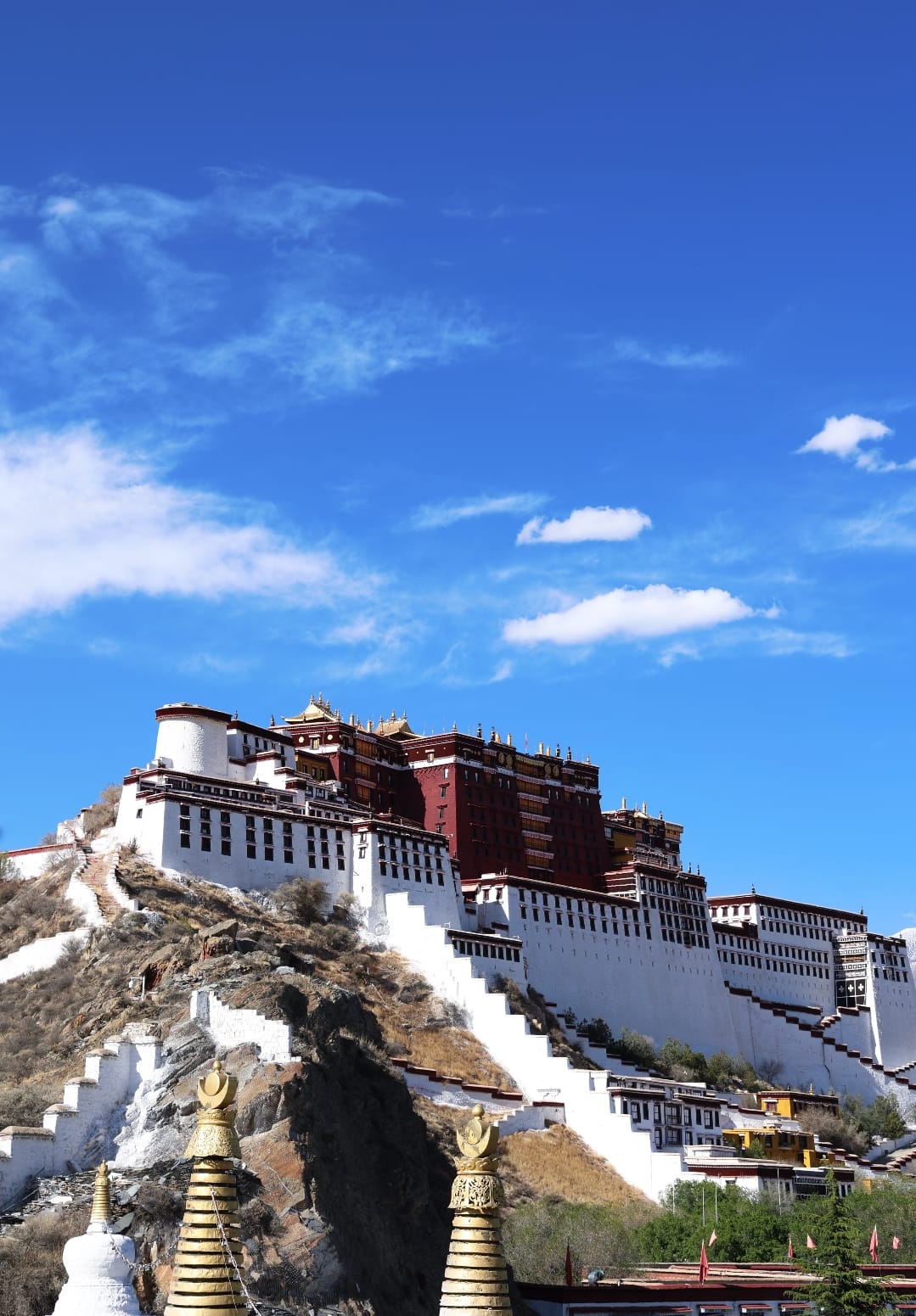
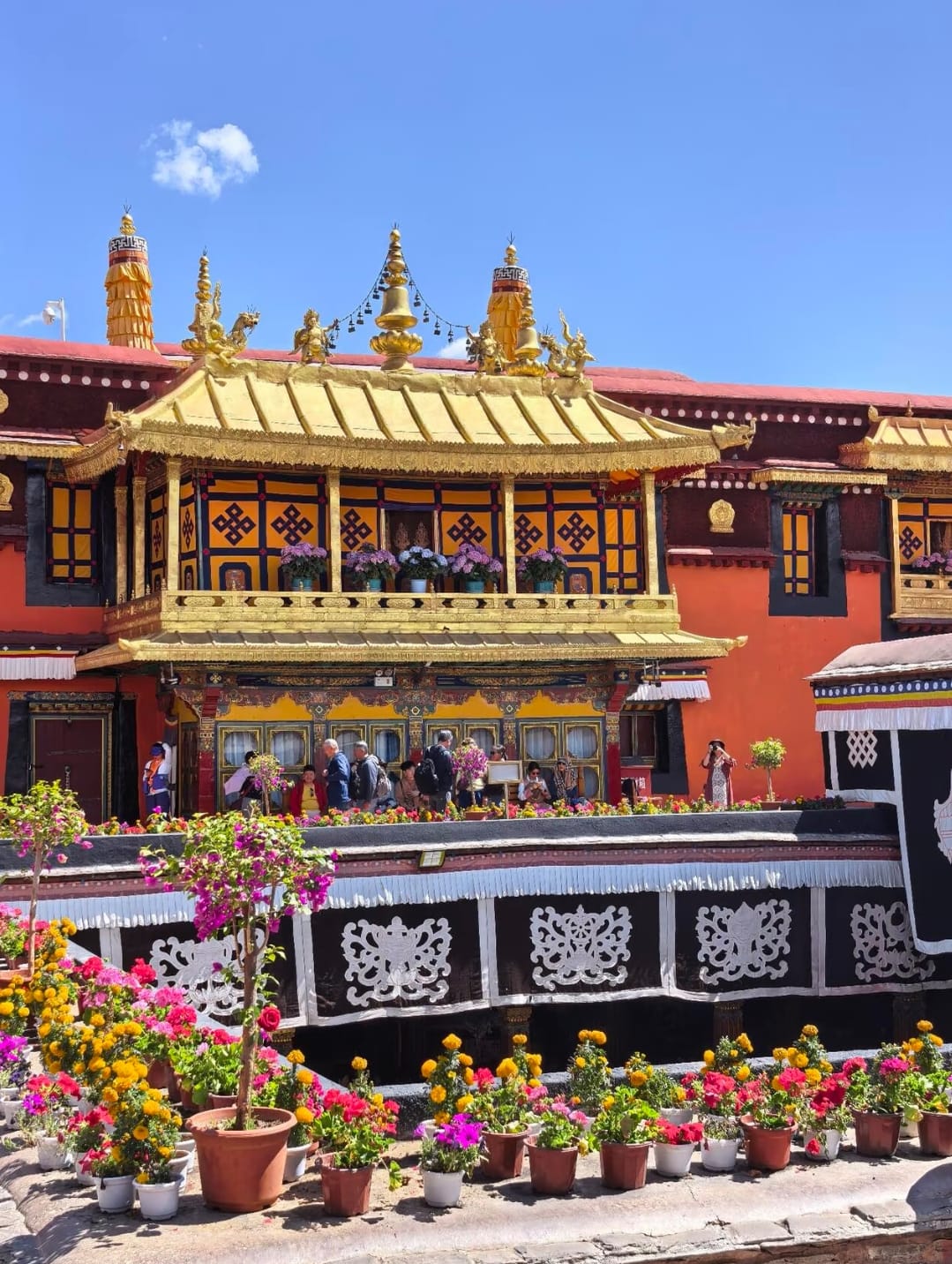
Day 9: Potala Palace - Jokhang Temple - Barkhor Street 20KM
Day 10: Tour End (Airport transfer to Lhasa Gonggar International Airport) 60KM
What's included?
【Included in the Price】:
1. Transportation: Vehicle will be determined based on the number of participants (driver's meals and accommodation included);
2. Accommodation: 9 nights in standard rooms throughout the trip (including 1 night in a complimentary 4-star hotel on the arrival day, non-refundable if not used);
3. Entrance Fees: Entrance fees to Letong Ancient Town + sightseeing bus, Cuopu Valley + sightseeing bus, Midui Glacier + sightseeing bus, Basongcuo Lake + sightseeing bus, Potala Palace, Jokhang Temple;
4. Meals: 9 breakfasts + 1 special meal (Lulang Stone Pot Chicken). If participants order additional meals, they will need to pay for them themselves;
5. Guide: A Chinese/English/bilingual (Chinese/English) guide will be provided throughout the trip (guide's meals, accommodation, and entrance fees included; our company will arrange a guide speaking the appropriate language based on the guests' needs);
6. Tibetan Cultural Experience: Offering hada (ceremonial scarves) to Tibetan hosts + drinking butter tea + making tsampa (roasted barley flour) + horseback riding + archery + hanging prayer flags + scattering lungta (traditional Tibetan prayer flags);
7. On-Tour Equipment: First aid kit + pulse oximeter + thermometer to monitor guests' health at all times.
【Complimentary Items】:
1. Free assistance with obtaining a Tibet Entry Permit;
2. One bottle of mineral water per day;
3. Tibetan souvenir;
4. Transfer service from Lhasa hotel to Lhasa Gonggar Airport;
5. Travel accident insurance with a maximum coverage of 800,000 RMB (excluding property insurance). According to the China Banking and Insurance Regulatory Commission: for insured persons aged 71 and above (including 71 years old), the coverage is halved, while the premium remains unchanged; for those under 10 years old, the coverage is reduced from 800,000 RMB to 200,000 RMB; for those aged 10 to 18, the coverage is reduced from 800,000 RMB to 500,000 RMB.
Note: The travel agency provides this travel accident insurance. In the event of an accident, the compensation from this insurance will be used to offset any potential compensation amounts that the travel agency may bear. For Taiwanese and foreign nationals, reimbursement is only available for treatment at top-tier hospitals in mainland China; medical treatment outside mainland China is not reimbursable.
6. Neck pillow + two-piece raincoat set + 2 bottles of oxygen per person, one set per person; Note: No refunds or equivalent exchanges will be given for complimentary items if guests voluntarily give them up or are unable to participate due to special reasons or force majeure.
Exclusions
- Tip or gratuity
- Food & drinks
【Not included in the price】:
1. Transportation: Transportation from your departure point to Chengdu and back in Lhasa is not included.
2. Meals: Lunch (except for Day 7: Lulang Stone Pot Chicken) and dinner are not included and must be arranged by yourself. (Breakfast is complimentary and non-refundable if not used). You can choose to share the cost or eat separately. Meals for staff are included in the tour fee and do not need to be paid separately.
3. Single room supplement: The price is based on two people sharing a room. If there is a single male or female traveler, we will try to arrange for them to share a room with another traveler of the same gender. If they do not wish to share a room (please inform customer service when registering) or if sharing a room is not possible, a single room supplement will be charged. If you choose to stay in a room alone on the arrival day or during the trip, you will need to pay the cost of one room (single room supplement * 2). The single room supplement price varies depending on the departure date. Please refer to the 【Activity Batch】 for specific pricing or contact customer service directly.
4. Entrance Fees: Honghaizi cleaning fee 10-20 RMB/person (optional), Basongcuo boat ticket 180 RMB/person (optional);
5. Tips: Tips are required for the tour guide and driver on this trip, provided you are satisfied with their service. We recommend that each tourist tip the driver and guide 10 USD per day (total);
6. Other: Excludes various personal expenses;
7. Invoice: The quoted price does not include an invoice;
8. Force Majeure: If the contract cannot be fulfilled or the itinerary changes due to force majeure (such as landslides, mudslides, road and bridge destruction, flight delays, national policies, war, epidemics, traffic control, traffic jams, etc.), our company will not be liable for related compensation.
Please note
- Passport required
- Dress code
The quoted prices are based on two people sharing a room. If there are single people (e.g., three or five people), a single room supplement will apply.
I. Registration Information
Those suffering from infectious diseases, cardiovascular or cerebrovascular diseases, respiratory diseases, mental illnesses, severe anemia, those in post-operative recovery, those with mobility impairments, pregnant women, or other conditions unsuitable for travel are prohibited from registering. Those registering on behalf of others must verify the other party's health condition; any consequences arising from concealing health conditions will be borne by the individual.
II. Altitude Sickness Information
Altitude sickness is common in areas above 3000 meters. People with hypertension, heart disease, asthma, etc., should exercise caution when entering high-altitude areas. Avoid catching a cold or developing a fever before entering high-altitude areas to prevent worsening altitude sickness.
1. Common Symptoms: Headache, dizziness, nausea, vomiting, palpitations, chest tightness, insomnia, drowsiness, poor appetite, abdominal distension, numbness in hands and feet, cyanosis of lips, facial and eyelid edema, etc.
2. Prevention: Those who have not been to high-altitude areas for a long time are advised to take anti-altitude sickness medications such as Rhodiola rosea and altitude sickness medication as prescribed by a doctor 15 days in advance until the end of the trip.
3. Management and Treatment: Mild altitude sickness usually resolves on its own in about 3 days; moderate altitude sickness in 5-7 days; severe altitude sickness requires immediate medical attention and evacuation from the high-altitude area. You may bring your own painkillers, ginseng, bottled oxygen, etc. All medications must be taken as prescribed by a doctor.
III. Team Discipline
1. Strictly adhere to the meeting time. Being more than 10 minutes late will be considered a voluntary abandonment of the remaining itinerary. Only unused fees will be refunded. Safety and expenses after withdrawal are the responsibility of the individual and are unrelated to the travel agency.
2. The tour guide has the right to ask members who frequently complain, exhibit excessive negativity, or negatively impact the team atmosphere to leave the group. Those who refuse to cooperate may be forcibly withdrawn from the tour.
IV. Accommodation Information
1. Accommodation along the route is not star-rated and facilities are basic. Water and electricity resources are scarce in the high-altitude area, and water and power outages may occur. It is recommended to bring your own flashlight and sleeping bag liner, and be prepared for the inability to wash up.
2. Hotels have limited supplies of disposable toiletries, hair dryers, etc. Most hotels do not have elevators or luggage handling services; you must carry your own luggage.
3. Special accommodation needs must be informed to customer service and the cost confirmed at the time of registration. Requests made during the trip cannot be guaranteed.
4. Accommodation cannot be changed without special circumstances; if the entire group unanimously agrees to a change, the original accommodation fee will not be refunded, and the cost of the new accommodation and staff accommodation will be shared equally by the team members.
V. Meal Rules
1. The itinerary only includes some complimentary meals; other meals are at your own expense. You can dine together or individually. Staff meal expenses are included in the tour fee and do not require additional payment.
2. The cuisine along the way is mainly Sichuanese. Meal times are not fixed due to road conditions; it is recommended to bring your own snacks.
VI. Transportation Guarantee
1. Vehicle Breakdown: Road conditions in the plateau region are complex, and vehicle breakdowns are normal. If the vehicle cannot be repaired within 2 hours, the travel agency will arrange a small transfer vehicle, and the transfer fee will be borne by us. Refusing transfer will be considered a voluntary withdrawal from the tour, and only the unused accommodation and entrance fee will be refunded.
2. Traffic Jams: Landslides, mudslides, and traffic control are frequent during the rainy season, causing traffic jams. Team members need to bring their own food and clothing, wait patiently, and be prepared for emergencies.
3. Seating Arrangement: The left and right seats in the first row are reserved for the driver and tour guide, respectively. Team members can choose other seats themselves; mutual understanding is expected during the trip. 4. Night Driving: Driving at night is generally avoided, except in special road conditions or weather circumstances. If a team member refuses to drive at night and requires temporary accommodation, the accommodation fee for that day will not be refunded, and any additional accommodation or itinerary extension costs will be borne by the team member.
5. Force Majeure Costs: If the team member is unable to reach the pre-booked accommodation due to traffic jams, traffic restrictions, etc., the original accommodation fee will not be refunded, and the team member will be responsible for temporary accommodation costs. Accommodation costs for staff will be covered by the travel agency.
VII. Shopping Regulations
1. This itinerary is a pure sightseeing tour with no shopping stops. Staff will not recommend any shopping items.
2. During free time, please do not bargain or linger for purchases that are not voluntary. For voluntary purchases, team members must assess the quality themselves. Any disputes arising from reneging on a negotiated deal will be the sole responsibility of the team member.
3. Staff will not provide any purchasing services; all products must be purchased by the team members themselves.
VIII. Tour Guide Services
1. The tour guide is responsible for coordinating accommodation, meals, itinerary, and emergency response throughout the trip.
2. The tour guide does not have medical qualifications. Team members who feel unwell should seek medical attention at the nearest available facility and should not rely on the tour guide for treatment.
IX. Communication Network
1. There is no mobile phone signal in most areas of the high-altitude mountains and valleys. Signal is generally available only at accommodations. Please inform your family and friends before your trip.
2. Signal and network quality: China Telecom is the best, followed by China Mobile, and China Unicom is the worst. Accommodation Wi-Fi is intermittently available and cannot guarantee office work needs.
X. Insurance Information
1. The itinerary includes travel accident insurance, but does not include illness insurance or property insurance. You must undergo a medical examination before registering to confirm your physical fitness for high-altitude travel.
2. You must take good care of your personal valuables. You are responsible for any consequences of loss.
3. If you need to leave the group due to lost personal belongings, you must sign a departure agreement. Only 80 RMB/person/day will be refunded for unused accommodation and entrance fees. Transportation fees, insurance fees, and other expenses already incurred will not be refunded.
XI. Medical Coverage
1. Medical conditions in Tibetan areas are underdeveloped. A comprehensive medical examination is mandatory before registration to mitigate travel risks.
2. All accompanying staff are not licensed medical practitioners. If you feel unwell, please seek medical attention at the nearest medical facility immediately. Do not wait for staff to provide treatment.
3. Only bottled oxygen is provided on the vehicle; no medications are offered. Participants must bring their own personal medications.
XII. Force Majeure
1. The travel agency is not liable for compensation in the event of itinerary changes or inability to fulfill the contract due to force majeure events such as landslides, mudslides, weather, traffic control, or policy changes.
2. Additional expenses incurred due to force majeure are the responsibility of the participants; any unused expenses will be refunded.
XIII. Photography Guidelines
1. Photography is strictly prohibited in military areas, checkpoints, bridges, temple ceremonies, private residences, and other prohibited areas. Participants are responsible for any penalties or losses incurred due to violations.
2. Photography of Tibetan people, yaks, and Tibetan mastiffs in scenic areas and pastoral areas will likely incur a fee. Consent must be obtained, and photography must be stopped immediately if refused.
3. Photo quality is affected by weather and lighting. The travel agency will not extend the time spent at attractions due to poor photo quality. Those with high photography needs are advised to book a dedicated photography tour.
XIV. Toilet Regulations
1. Public toilets in Tibetan areas are mostly pay-per-use (1-3 yuan/use); payment must be made proactively.
2. When using outdoor toilets, avoid rivers, prayer flags, mani stones, and other religious sites. Bring your own shelter if there is no privacy.
XV. Bathing Taboos
1. Do not bathe for the first 3 days after arriving at high altitude. After 3 days, bathe as needed based on your condition to avoid catching a cold and triggering altitude sickness.
2. Water and electricity are unstable at high altitudes. Test the water temperature before bathing to prevent scalding and catching a cold. Bathe quickly; those with long hair should wash their hair and bathe separately.
3. The travel agency will not accept complaints regarding the harsh accommodations and bathing conditions at high altitudes. Registration signifies acceptance of these conditions.
What to bring
【Activity Equipment】:
Category 1: Clothing and Footwear
(1) Clothing: From April to June, wear winter clothing. A three-piece set is best (thermal and moisture-wicking underwear + fleece jacket + windproof jacket + quick-drying pants); from July to September, wear spring/autumn clothing, and have winter clothing on hand; in October, wear winter clothing.
(2) Footwear: Non-slip, waterproof, warm, high-top hiking boots (absolutely no high heels). Hiking shoes and sneakers are also acceptable.
(3) Small items: Sun hat, gloves, headscarf, change of underwear, socks.
Category 2: Daily Necessities
(1) Toiletries and Skincare: Toothpaste, toothbrush, facial cleanser, toner, moisturizer, sunscreen (SPF 50 or higher, important and essential), lip balm (important and essential), hand cream;
(2) Auxiliary Tools: Sunglasses (important and essential), thermos, rain gear (umbrella and raincoat), flashlight (with sufficient batteries).
Category 3: Food
(1) Energy Supplies: Chocolate, beef jerky, etc.
(2) Staple Foods: Biscuits, bread, cakes, etc.
(3) Hydrating Foods: Various fruits, mineral water, etc.
(4) Side Dishes: Pickled vegetables, kelp strips, radish strips, etc. Sichuan cuisine is the main food along the way; team members who are not used to it can bring some of their favorite side dishes.
Category 4: Medicines
(1) Backup Medicines: Personal medications (bring as needed based on individual health conditions; medical conditions are poor on the plateau, please prepare sufficient dosage);
(2) Recommended to Bring: Cold medicine, gastrointestinal medicine, motion sickness medicine, acetaminophen or headache powder, glucose (powder or oral liquid), band-aids, medicated oil, mosquito repellent, altitude sickness medication, and anti-altitude sickness drugs.
Category 5: Photography & Communication
(1) Communication Equipment: Mobile phones (China Telecom signal is best, China Mobile signal is second best, China Unicom signal is poor), walkie-talkies, and related chargers;
(2) Photography Equipment: SLR cameras, telephoto lenses, wide-angle lenses, tripods, camera bags, rain covers, and large memory cards and related chargers;
(3) Auxiliary Tools: Long skirts, cool outfits, scarves, shawls, and various props.
Category 6: Documents
(1) Foreign Visitors: Passport (valid for more than six months) & Chinese visa (within validity period). Visas are not required for visa-free countries;
(2) Taiwanese Residents: Mainland Travel Permit for Taiwan Residents (within validity period).
Category 7: Bags & Luggage
(1) Large Backpack: Each person is limited to one large backpack (70L or less) or suitcase (26 inches or less);
(2) Small Backpack: A small backpack is essential, which can be used in scenic areas to carry some snacks and water. It is not recommended to use a shoulder bag or tote bag; (3) Waist bag: It is recommended to carry a waist bag to put some valuables.