



Your first Yangtze River cruise: an honest Three Gorges guide for foreign travelers
A Yangtze cruise is one of those trips people romanticize for years before they book it, and then sometimes feel weirdly shy about. Is it a "grandparent thing"? A floating buffet with occasional cliff views? Having sent a lot of first-timers down the river, I can say the honest answer sits in between: some parts of the cruise are magnificent, some hours are genuinely boring, and knowing which is which makes the whole thing work.
Upstream or downstream?
Most boats run between Chongqing and Yichang, and you can do it either way. Downstream (Chongqing to Yichang) is faster with the current and fits the classic four-day, three-night format. Upstream reverses it and adds roughly a day. The scenery is identical either way, so my usual advice is simple: pick whichever direction fits the rest of your itinerary. If you finish in Beijing and Xi'an, start in Chongqing and sail downstream. If Shanghai is your last stop, the upstream direction lines up nicely.
One underrated option: keep going past Yichang all the way to Shanghai on the longer itineraries. Fewer people do it, and the middle stretch of the river is a quiet, working river that some travelers end up preferring to the postcard gorges.
What you actually see
The three gorges, Qutang, Wu and Xiling, each have their own character. Qutang is the shortest and the most dramatic: sheer walls that squeeze the river into a canyon maybe 150 meters wide, best appreciated from the sun deck with your neck bent all the way back. Wu Gorge is longer, softer, all mist and layered ridges. Xiling is the longest and, honestly, the least dramatic since the water level rose, but the Three Gorges Dam sits at its eastern end and the ship lock experience, if your boat takes it, is genuinely impressive engineering.
The shore excursions are a mixed bag, and this is where honest advice matters. The Lesser Three Gorges side trip by smaller boat is lovely and worth getting up early for. The White Emperor City stop is historically interesting but involves a long climb or a paid escalator past a lot of souvenir stalls. The Fengdu "ghost city" is the one I would skip if given the choice. Your mileage may vary, but if the schedule offers a quiet morning on deck instead, take it at least once.
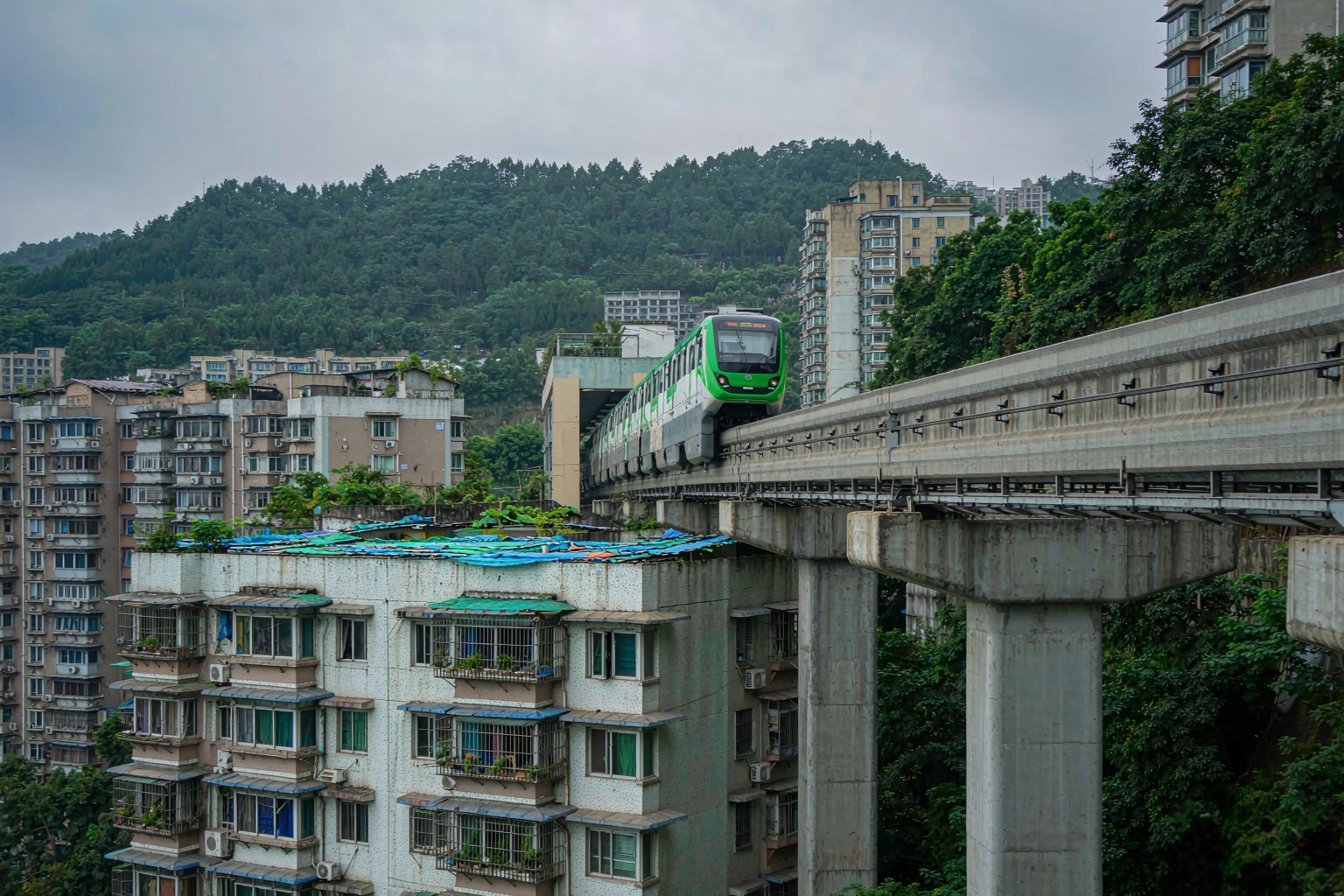
Most cruises start in Chongqing, so arrive a day early: the monorail through an apartment block and the hotpot alone justify the extra night.
Choosing a boat and a cabin
Boats roughly split into three tiers. The luxury ships (Viking, Century, President premium classes) run €400-800 per person per night equivalents and feel like a small river hotel. Mid-range Chinese-operated ships are the sweet spot for most travelers, a third of the price with 80 percent of the comfort. Budget boats exist; I would not. Three nights is enough, and a bad mattress plus a noisy engine for four nights is a false economy.
For cabins, the rule is simple: pay for a balcony. You will spend a surprising amount of time in your room watching the river go by, and that private balcony is the difference between "I was on a cruise" and "I watched a cruise." Deck chairs are communal; the balcony is yours.
Practical things the brochures leave out
- Bring cash-free patience: the boat runs on a room card you settle at the end, linked to WeChat or a card deposit.
- Wi-Fi on Chinese boats is weak. Download films at the hotel.
- Excursions are usually sold as a package at booking; decide before boarding, it is cheaper than deciding on board.
- Morning light on the gorges is the good light. The sun deck at 7am is worth it exactly once, and once is enough.
- Tips for crew are customary on international ships, around 100-150 RMB per guest total, collected at the end.
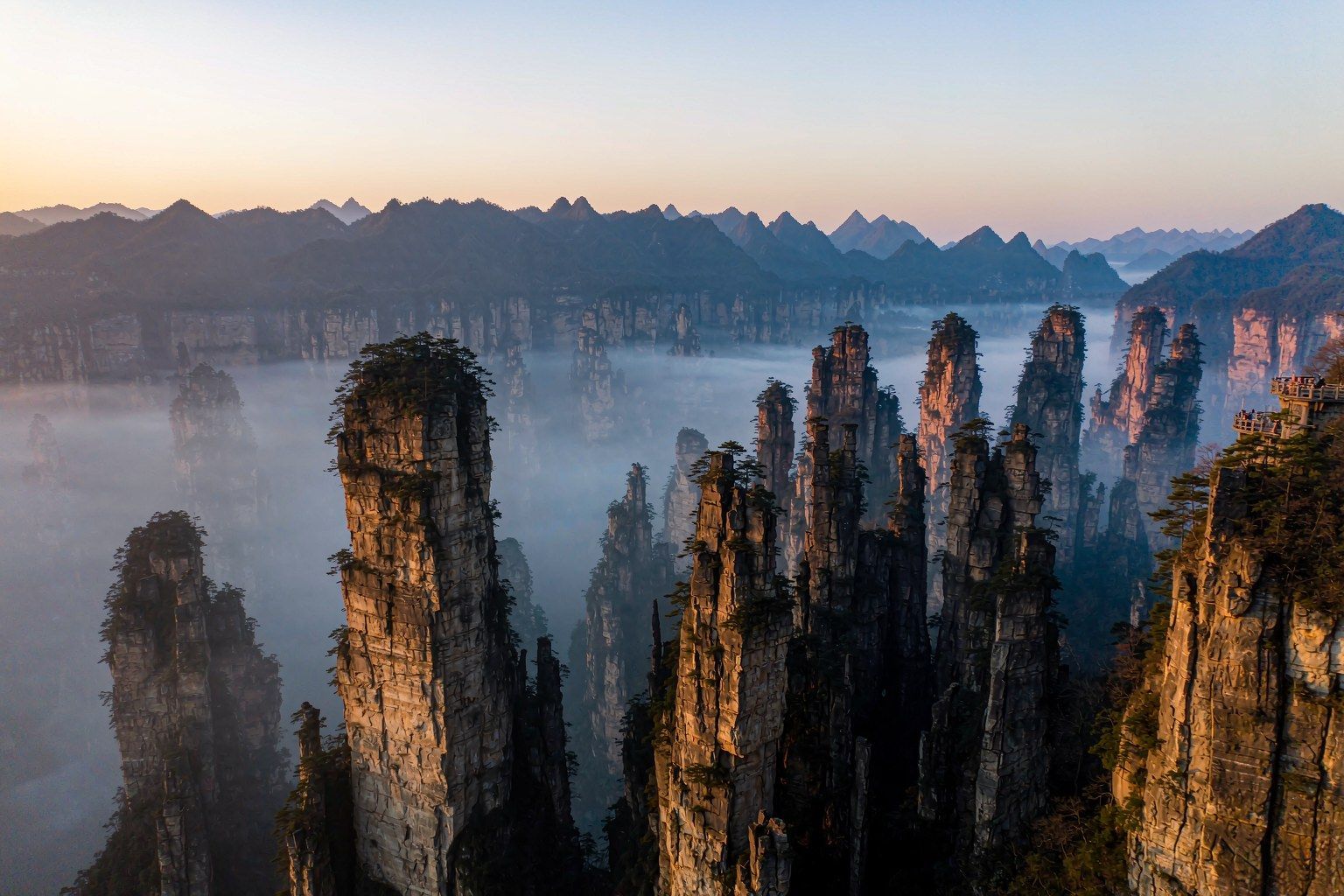
If the gorges leave you wanting more karst, Zhangjiajie's sandstone pillars are a train ride away.
How it fits into a bigger trip
The cruise sits naturally in the middle of a two-week China itinerary: Beijing and Xi'an first, then a high-speed train or flight into Chongqing, four days on the river, and Shanghai after Yichang. We operate the cruises directly with first-hand cabin allotments, which mostly means two things for you: instant confirmation when you book, and a Spanish or English speaking contact on the ground if a delay anywhere upstream rattles your connections. That second part matters more than people expect; river schedules bend, and having someone whose job is to absorb the wobble is worth more than the brochure discount you might find elsewhere.
Originally published on 71Asia Tours blog.









